
Exploring Nyerere National Park: A Wildlife Paradise in Tanzania
Nyerere National Park, formerly part of the larger Selous Game Reserve, is one of Tanzania’s most spectacular and less crowded wildlife destinations. Spanning over 30,000 square kilometers, it is the largest national park in the country and a UNESCO World Heritage Site. With its vast landscapes, diverse ecosystems, and abundant wildlife, Nyerere National Park offers an unforgettable safari experience. Whether you’re interested in game drives, boat safaris, or cultural encounters, this park has something for every traveler.
What to Expect
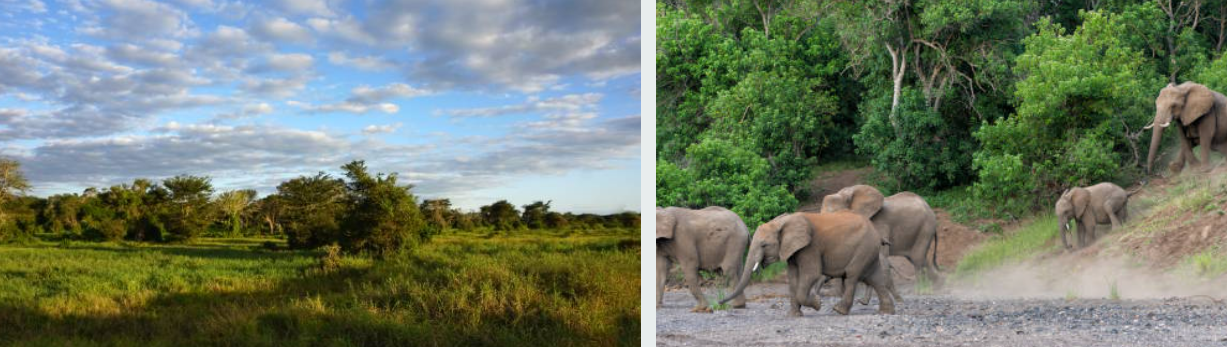
Visitors to Nyerere National Park can expect an untouched wilderness teeming with wildlife, scenic river systems, and a sense of tranquility rarely found in more popular parks. Unlike the northern circuit (Serengeti, Ngorongoro), Nyerere National Park remains relatively undiscovered, ensuring an exclusive and intimate safari experience. The park is divided into different zones, including riverine forests, open grasslands, and miombo woodlands, each hosting unique wildlife.
The Rufiji River, the park’s lifeline, offers incredible boat safaris where visitors can see hippos, crocodiles, and a variety of birdlife. Walking safaris are also available for those who want to explore the bush on foot with an armed guide. With its remote location and limited tourist traffic, Nyerere National Park provides a raw and authentic African safari adventure.
Animals to See in Nyerere National Park
Nyerere National Park is home to an impressive array of wildlife, making it a prime destination for animal lovers. The park boasts one of the largest elephant populations in Africa, with herds often seen near the Rufiji River. Lions are also abundant, and unlike in other parks, they have adapted to climbing trees—a rare behavior that can sometimes be observed here.
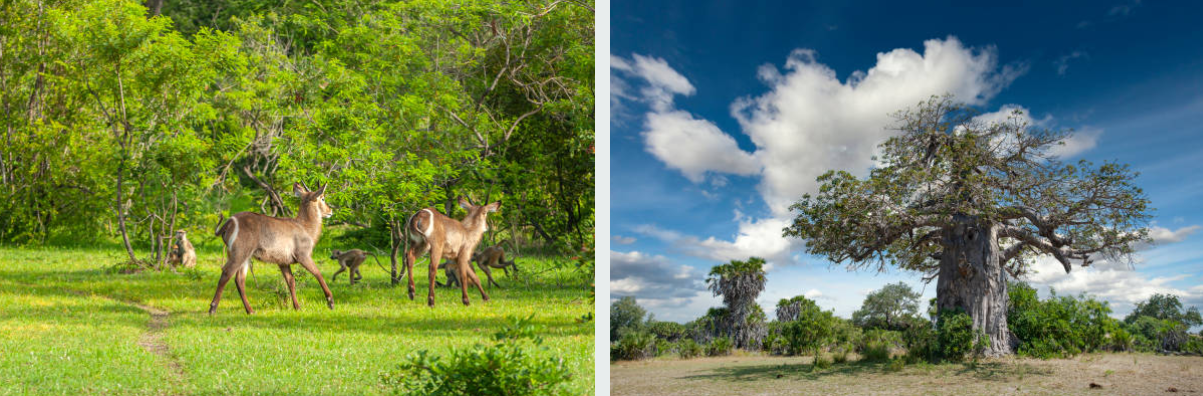
Other predators, such as leopards, wild dogs, and hyenas, roam freely across the vast plains. The park is a stronghold for the endangered African wild dog, offering one of the best chances to see these elusive creatures. Herbivores like buffalo, giraffes, zebras, and wildebeests are commonly spotted, while the rivers host large numbers of hippos and Nile crocodiles.
Bird enthusiasts will be delighted by the park’s over 440 bird species, including fish eagles, kingfishers, and the rare Pel’s fishing owl. Whether you’re on a game drive or a boat safari, Nyerere National Park guarantees incredible wildlife sightings in a pristine setting.
Game Drives in Nyerere National Park
Game drives are the highlight of any visit to Nyerere National Park. The park’s extensive road network allows for both morning and afternoon drives, each offering a different perspective of the wilderness. Morning drives are ideal for spotting predators like lions and leopards, which are more active in the cooler hours. The golden light of dawn also provides perfect photography conditions.
Afternoon game drives often lead to the Rufiji River, where animals gather to drink. Here, visitors can witness dramatic interactions between predators and prey. Night drives, though less common, are available in some areas and offer a chance to see nocturnal species such as bushbabies, genets, and porcupines.
Since Nyerere National Park is less crowded than other Tanzanian parks, game drives feel more exclusive. With fewer vehicles around, you can enjoy uninterrupted wildlife viewing in a serene environment.
Cultural Experiences in Nyerere National Park
Beyond its wildlife, Nyerere National Park offers enriching cultural experiences with local communities. The park borders several villages where visitors can interact with the indigenous tribes, such as the Maasai and the Rufiji people. These encounters provide insight into traditional lifestyles, including beadwork, dancing, and storytelling.
Some lodges organize visits to nearby villages, where tourists can learn about local farming techniques, traditional medicine, and handicrafts. These cultural tours not only educate but also support community-based tourism initiatives, ensuring that local populations benefit from conservation efforts.
For a deeper immersion, some operators offer multi-day cultural safaris, combining wildlife viewing with homestays in local villages. This blend of nature and culture makes Nyerere National Park a well-rounded destination.
Best Time to Visit
The best time to visit Nyerere National Park depends on what you want to experience. The dry season (June to October) is ideal for game viewing, as animals congregate around water sources, making them easier to spot. The weather is also pleasant, with cooler temperatures and minimal rainfall.
The wet season (November to May) transforms the park into a lush green paradise, perfect for birdwatching and photography. Although some roads may become impassable, the scenery is breathtaking, and visitor numbers are lower, offering a more secluded experience. The months of January and February are particularly good for seeing newborn animals.
Ultimately, Nyerere National Park is a year-round destination, but the dry season remains the most popular for wildlife enthusiasts.
Accommodations in Nyerere National Park
Nyerere National Park offers a range of accommodations to suit different budgets and preferences. Luxury lodges, such as Selous Serena Camp and Beho Beho Camp, provide high-end amenities, including private pools, gourmet dining, and guided bush walks. These lodges often sit along the Rufiji River, offering stunning views and easy access to boat safaris.
For mid-range options, camps like Rufiji River Camp and Selous Impala Camp offer comfortable tented accommodations with en-suite bathrooms and game drive packages. Budget travelers can opt for basic tented camps or public campsites, which provide a more rustic experience while still being close to wildlife.
Many lodges in Nyerere National Park are eco-friendly, using solar power and sustainable practices to minimize environmental impact. Whether you choose luxury or simplicity, staying within the park ensures an immersive safari experience.
Nyerere National Park is a hidden gem in Tanzania’s safari circuit, offering unparalleled wildlife encounters, breathtaking landscapes, and meaningful cultural interactions. From thrilling game drives to serene boat safaris, every moment in this park is filled with wonder. Whether you visit in the dry season for prime game viewing or the wet season for lush scenery, Nyerere National Park promises an unforgettable adventure. With its diverse accommodations and commitment to conservation, it remains a must-visit destination for any safari enthusiast.
