
Exploring the Ngorongoro Conservation Area: A Wildlife Paradise
The Ngorongoro Conservation Area in Tanzania is one of Africa’s most breathtaking natural wonders. A UNESCO World Heritage Site, this unique destination combines stunning landscapes, abundant wildlife, and rich cultural heritage. Whether you’re a wildlife enthusiast, a photography lover, or a cultural explorer, the Ngorongoro Conservation Area offers an unforgettable experience.
What to Expect
Visiting the Ngorongoro Conservation Area is like stepping into a wildlife paradise. The area is famous for the Ngorongoro Crater, the world’s largest inactive volcanic caldera, spanning about 260 square kilometers. This natural enclosure creates a sanctuary for thousands of animals, making it one of the best places in Africa for wildlife viewing.
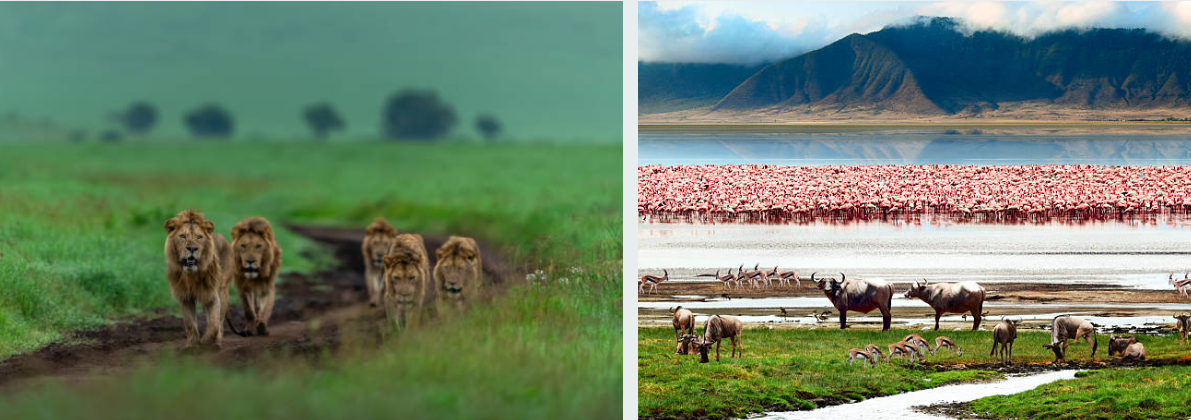
Expect breathtaking scenery, from vast grasslands and acacia woodlands to dense forests and soda lakes. The conservation area is also unique because it allows Maasai pastoralists to live alongside wildlife, offering visitors a rare blend of nature and culture.
Animals to See in the Ngorongoro Conservation Area
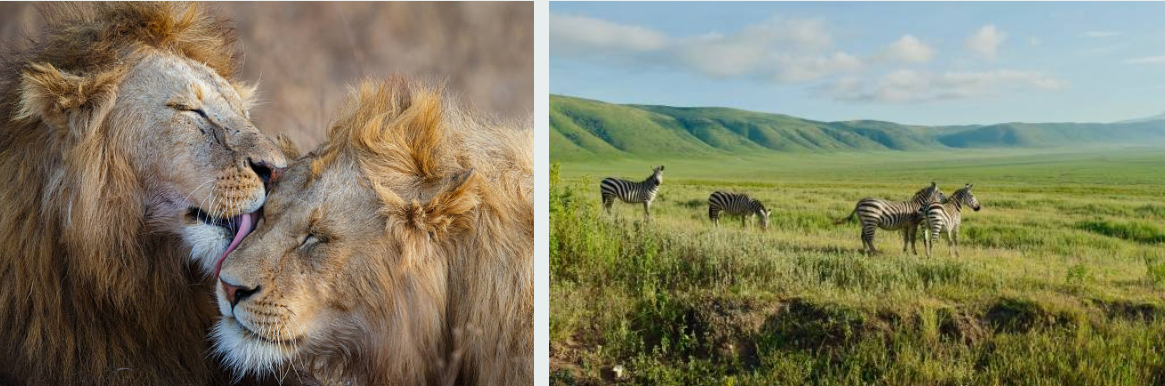
The Ngorongoro Conservation Area is home to an incredible variety of wildlife, much of which can be seen year-round. The crater alone hosts over 25,000 large animals, making it one of the most densely populated wildlife areas in the world.
-
The Big Five: The Ngorongoro Crater is one of the best places to see lions, elephants, buffalo, leopards, and rhinos. The crater’s open plains make it easier to spot these majestic creatures.
-
Herbivores: Large herds of wildebeests, zebras, and gazelles roam freely, attracting predators like cheetahs and hyenas.
-
Birdlife: Over 500 bird species, including flamingos, ostriches, and kori bustards, thrive in the area, especially around Lake Magadi.
-
Endangered Species: The crater is one of the few places where you can see the critically endangered black rhino in the wild.
With such a high concentration of animals, every game drive in the Ngorongoro Conservation Area promises thrilling encounters.
Game Drives in the Ngorongoro Conservation Area
Game drives are the highlight of any visit to the Ngorongoro Conservation Area. The crater’s enclosed ecosystem ensures that wildlife sightings are almost guaranteed. Most game drives start early in the morning when animals are most active.
-
Descending into the Crater: The drive down the steep crater walls offers stunning views before reaching the fertile floor, where animals graze.
-
Full-Day vs. Half-Day Drives: Full-day drives allow more time to explore different areas, while half-day drives focus on the crater’s central regions.
-
Guided Tours: Knowledgeable guides enhance the experience by explaining animal behaviors and tracking rare species.
Since the crater is compact, you can see a wide variety of wildlife in just a few hours. However, spending a full day increases your chances of witnessing predator-prey interactions and rare sightings.
Cultural Experiences in the Ngorongoro Conservation Area
Beyond wildlife, the Ngorongoro Conservation Area offers rich cultural experiences with the Maasai people. The Maasai have lived in harmony with wildlife for centuries, and visiting their villages provides insight into their traditional way of life.
-
Maasai Village Visits: Tourists can visit Maasai bomas (homesteads) to learn about their customs, dances, and livestock-herding practices.
-
Cultural Performances: The Maasai are known for their vibrant jumping dances and intricate beadwork, which they often showcase to visitors.
-
Traditional Crafts: Local markets sell handmade jewelry, clothing, and artifacts, offering authentic souvenirs.
These cultural interactions add depth to your visit, making the Ngorongoro Conservation Area more than just a wildlife destination.
Best Time to Visit
The Ngorongoro Conservation Area can be visited year-round, but certain seasons offer better wildlife viewing and weather conditions.
-
Dry Season (June-October): This is the best time for game drives, as animals gather around water sources, and vegetation is sparse, making sightings easier.
-
Wet Season (November-May): While rain can make roads muddy, this season brings lush landscapes, migratory birds, and fewer tourists. The calving season (January-February) also attracts predators.
-
Shoulder Seasons (April-May & November): These months offer a balance between good wildlife viewing and lower crowds.
No matter when you visit, the Ngorongoro Conservation Area remains a spectacular destination.
Accommodations in the Ngorongoro Conservation Area
From luxury lodges to budget-friendly campsites, the Ngorongoro Conservation Area offers a range of accommodations to suit different preferences.
-
Luxury Lodges: High-end lodges like the Ngorongoro Crater Lodge provide stunning views, gourmet dining, and exceptional service.
-
Tented Camps: Semi-permanent camps such as Lemala Ngorongoro offer a blend of comfort and adventure, with close-to-nature experiences.
-
Budget Options: Public campsites and simpler lodges are available for travelers seeking affordable stays.
Many lodges are perched on the crater rim, offering breathtaking sunrise and sunset views over the caldera.
The Ngorongoro Conservation Area is a must-visit destination for anyone exploring Tanzania. With its unparalleled wildlife, breathtaking landscapes, and rich Maasai culture, it promises an unforgettable African safari experience. Whether you’re descending into the crater for a game drive, interacting with the Maasai, or simply soaking in the views from your lodge, every moment in this conservation area is magical. Plan your visit wisely, choose the right accommodation, and prepare for an adventure of a lifetime in the heart of Tanzania’s wilderness.
