
Exploring Meru National Park: A Hidden Gem in Kenya
Meru National Park is one of Kenya’s most stunning yet underrated wildlife destinations. Located east of Mount Kenya, this park offers a unique blend of lush landscapes, diverse wildlife, and rich cultural experiences. Unlike the more famous Maasai Mara or Amboseli, Meru National Park provides a quieter, more exclusive safari experience. Whether you’re a first-time visitor or a seasoned traveler, here’s what you can expect when exploring this remarkable wilderness.
What to Expect
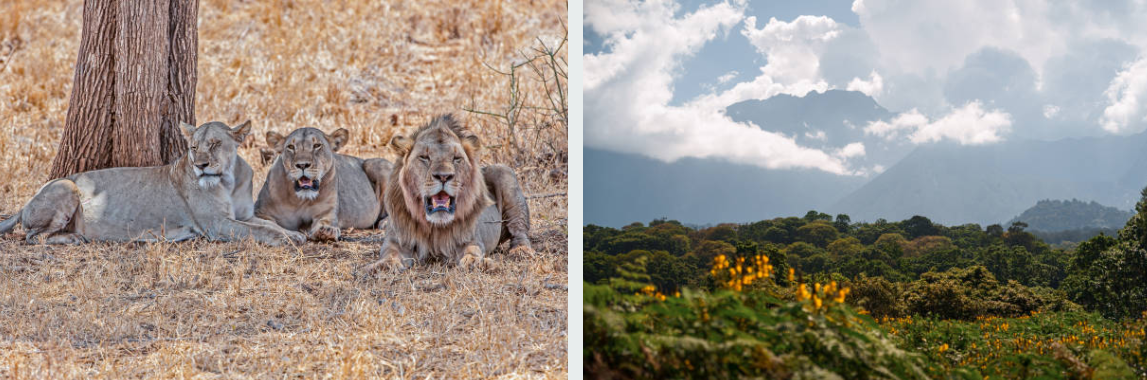
Meru National Park spans over 870 square kilometers, featuring a mix of grasslands, riverine forests, and swamps. The park is watered by several rivers, including the Tana and Ura rivers, creating a thriving ecosystem for wildlife. Unlike the drier parks in northern Kenya, Meru boasts lush vegetation, making it a scenic and refreshing destination.
One of the park’s defining features is its sense of seclusion. With fewer tourists, you can enjoy game drives without the crowds, allowing for more intimate wildlife encounters. The landscape is also incredibly diverse, ranging from open savannahs to dense woodlands and rocky outcrops. This variety makes Meru National Park a fantastic place for photography and nature walks.
Animals to See in Meru National Park
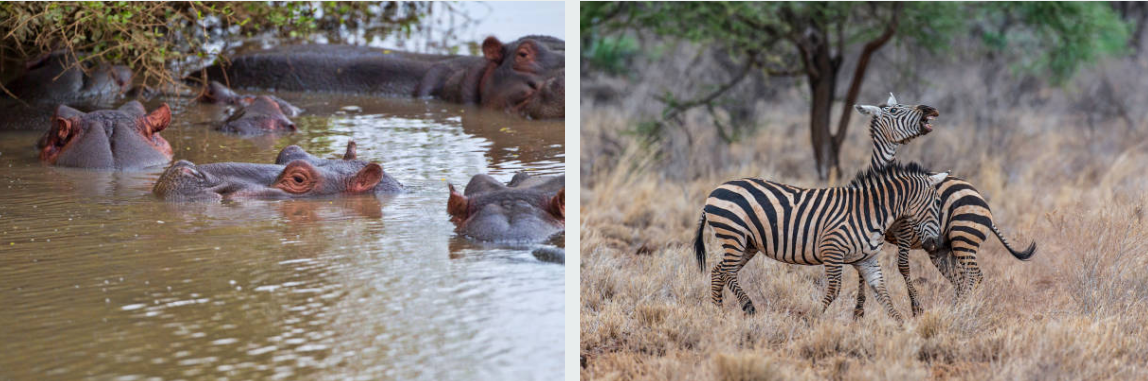
Meru National Park is home to the “Big Five” (lion, leopard, elephant, buffalo, and rhino), though spotting them requires patience and a bit of luck. The park’s rhino population has been steadily increasing thanks to conservation efforts at the nearby rhino sanctuary.
Other wildlife you may encounter include:
-
Elephants – Often seen near rivers and swamps.
-
Lions – The park has a healthy lion population, sometimes spotted resting on rocky kopjes.
-
Cheetahs and leopards – These elusive cats are harder to find but present in the park.
-
Giraffes, zebras, and antelopes are common throughout the grasslands.
-
Hippos and crocodiles – Found in the park’s rivers and waterholes.
Birdwatchers will also love Meru National Park, as it hosts over 300 bird species, including the colorful kingfishers, ostriches, and Somali ostrich (unique to northern Kenya).
Game Drives
Game drives are the best way to explore Meru National Park. Morning and evening drives offer the highest chances of spotting predators when they are most active. The park’s varied terrain means each drive brings something new, whether it’s a lioness hunting in the grasslands or a herd of elephants bathing in the river.
For a more adventurous experience, night game drives (available in some private conservancies) reveal nocturnal animals like bushbabies, genets, and hyenas. Guided bush walks are another excellent way to appreciate the park’s smaller details, from tracks and insects to medicinal plants used by local communities.
Cultural Experiences Near Meru National Park
Beyond wildlife, Meru National Park is surrounded by rich cultural heritage. The local Meru people, known for their farming and traditions, offer cultural tours where visitors can learn about their way of life. Some lodges organize visits to nearby villages, where you can participate in traditional dances, sample local cuisine, and even try your hand at beadwork.
Another fascinating cultural site is Adamson’s Falls, named after Joy and George Adamson, the famous conservationists who raised Elsa the lioness (of Born Free fame) in this region. The falls and the nearby Elsa’s Kopje (a luxury lodge named in her honor) add a historical touch to the park’s allure.
Best Time to Visit Meru National Park
The best time to visit Meru National Park is during the dry seasons (June to September and January to February). During these months, wildlife gathers around water sources, making sightings easier. The vegetation is also less dense, improving visibility for game drives.
The wet seasons (March to May and October to December) bring lush greenery and migratory birds, but some roads may become muddy and difficult to navigate. However, if you prefer fewer tourists and don’t mind occasional rain, this can still be a rewarding time to visit.
Accommodations in Meru National Park
Meru National Park offers a range of accommodations, from luxury lodges to budget-friendly campsites. Some top options include:
-
Elsa’s Kopje – A high-end lodge built into Mughwango Hill, offering breathtaking views.
-
Murera Springs Eco Lodge – A mid-range option with comfortable cottages near a natural spring.
-
Ikweta Safari Camp – A more affordable choice with tented camps and a relaxed atmosphere.
-
Public Campsites – For budget travelers, the park has well-maintained campsites with basic facilities.
Each option provides a unique way to experience Meru National Park, whether you’re looking for luxury or a back-to-nature adventure.
Meru National Park is a hidden treasure in Kenya’s safari circuit, offering diverse wildlife, stunning landscapes, and rich cultural encounters. Its off-the-beaten-path charm makes it perfect for travelers seeking an authentic and uncrowded safari experience. Whether you’re tracking rhinos, enjoying a game drive, or learning about local traditions, Meru National Park promises an unforgettable adventure. Plan your visit during the dry season for the best wildlife sightings, and choose from a variety of accommodations to suit your travel style.
