
Are Golden Monkeys in Volcanoes National Park?
Nestled in the heart of Central Africa, Volcanoes National Park is a breathtaking sanctuary of biodiversity, home to some of the world’s most fascinating wildlife. Among its most enchanting inhabitants are the golden monkeys, a rare and captivating primate species that draws researchers, conservationists, and tourists alike. But what makes them so special, and why are they a symbol of hope and resilience in this pristine ecosystem?
This article explores the presence of golden monkeys in Volcanoes National Park, their ecological significance, the challenges they face, and the inspiring conservation efforts that ensure their survival. Through their story, we uncover profound lessons about perseverance, coexistence, and the enduring beauty of nature.
The Enigmatic Golden Monkeys of Volcanoes National Park
A Rare and Beautiful Species
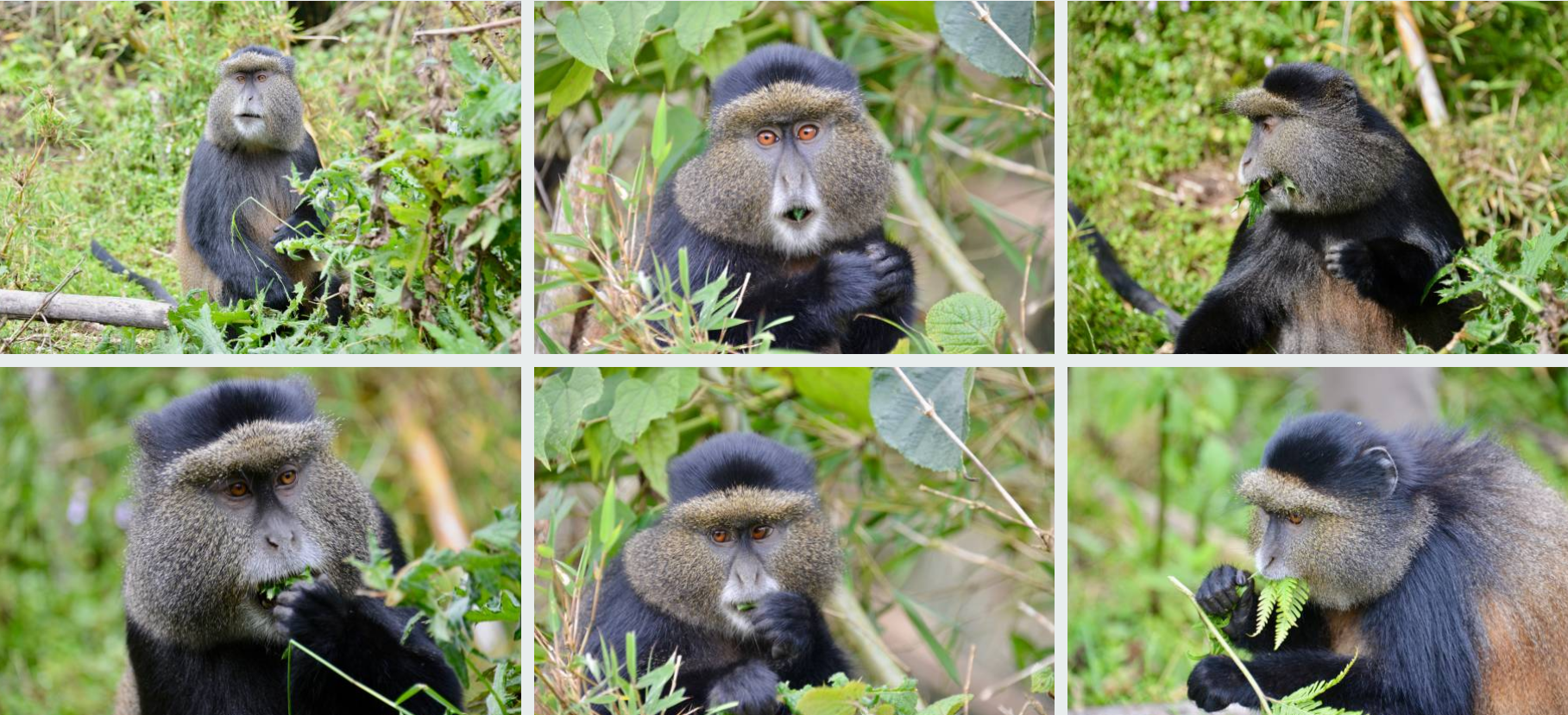
They (Cercopithecus kandti) are a subspecies of the blue monkey, distinguished by their striking golden-orange fur, which shimmers against the lush green backdrop of the Virunga Mountains. These primates are endemic to the high-altitude forests of Central Africa, with their largest populations found in Volcanoes National Park in Rwanda and Mgahinga Gorilla National Park in Uganda.
Living in tight-knit social groups, golden monkeys exhibit playful and curious behavior, often seen leaping through bamboo thickets or foraging for fruits, leaves, and insects. Their vibrant appearance and lively antics make them one of the most charismatic species in the region.
Ecological Importance
As seed dispersers, golden monkeys play a crucial role in maintaining the health of their forest habitat. By consuming fruits and excreting seeds across different areas, they contribute to forest regeneration, ensuring biodiversity thrives. Their presence also indicates a balanced ecosystem, as they are highly sensitive to environmental changes.
Challenges Facing the Golden Monkeys
Despite their ecological significance, golden monkeys face numerous threats that jeopardize their survival:
1. Habitat Loss and Fragmentation
Deforestation for agriculture, illegal logging, and human settlement encroaches on their natural habitat. As the forests shrink, golden monkeys are forced into smaller, isolated areas, making them more vulnerable to predators and reducing genetic diversity.
2. Climate Change
Rising temperatures and shifting weather patterns affect the bamboo forests that monkeys depend on for food and shelter. Prolonged droughts and unpredictable rainfall disrupt their feeding habits, leading to malnutrition and population decline.
3. Poaching and Human-Wildlife Conflict
Though not as heavily targeted as gorillas, golden monkeys are sometimes captured for the illegal pet trade or hunted for bushmeat. Additionally, as human populations expand, conflicts arise when monkeys raid crops, leading to retaliatory killings.
Inspiring Conservation Efforts
Despite these challenges, the story of the golden monkeys is one of resilience and hope, thanks to the relentless efforts of conservationists, local communities, and governments.
1. Protected Areas and Anti-Poaching Measures
Volcanoes National Park serves as a stronghold for golden monkeys, with strict anti-poaching patrols and habitat protection laws in place. Rangers work tirelessly to monitor populations and prevent illegal activities, ensuring a safe environment for these primates.
2. Community-Based Conservation
Recognizing that conservation cannot succeed without local involvement, initiatives like the Golden Monkey Trekking Program empower communities by creating jobs in eco-tourism. Revenue from guided tours is reinvested into education, healthcare, and sustainable livelihoods, reducing reliance on forest resources.
3. Reforestation and Habitat Restoration
Organizations collaborate with local farmers to plant bamboo and indigenous trees, restoring degraded areas and creating wildlife corridors. These efforts not only benefit monkeys but also enhance the entire ecosystem.
4. Research and Awareness
Scientists conduct ongoing studies on behavior, genetics, and health to inform conservation strategies. Meanwhile, awareness campaigns educate the public about their importance, fostering a culture of wildlife protection.
Lessons from the Golden Monkeys
The survival of the golden monkeys in Volcanoes National Park is more than a conservation success—it’s a testament to the power of perseverance, collaboration, and hope. Here’s what we can learn from their story:
1. Adaptability in the Face of Change
Like the golden monkeys, we must learn to adapt to changing environments. Whether in personal challenges or global crises, resilience is key to overcoming obstacles.
2. The Strength of Community
Conservation thrives when people work together. The partnership between governments, NGOs, and local communities proves that collective action can bring about lasting change.
3. Every Small Effort Counts
From planting a tree to supporting eco-tourism, individual actions contribute to a larger impact. The survival of the monkeys reminds us that no effort is too small in the fight to protect our planet.
4. Beauty in Diversity
The vibrant golden monkeys enrich their ecosystem just as diversity strengthens human societies. Embracing and protecting uniqueness—whether in nature or humanity—creates a more harmonious world.
A Future for the Golden Monkeys
The question, “Are golden monkeys in Volcanoes National Park?” is not just about their presence—it’s about their future. Thanks to dedicated conservation, these remarkable primates continue to thrive, symbolizing hope for endangered species worldwide.
Their story inspires us to take action, to appreciate nature’s wonders, and to recognize our role in preserving them. As long as efforts persist, themonkeys will keep leaping through the bamboo forests, a golden beacon of resilience in an ever-changing world.
Call to Action
You can contribute to the survival of the golden monkeys by:
-
Supporting wildlife conservation organizations.
-
Choosing responsible eco-tourism when visiting protected areas.
-
Spreading awareness about their plight.
Together, we can ensure that the golden monkeys of Volcanoes National Park remain a vibrant part of our planet’s legacy for generations to come.
