
Exploring Katavi National Park: Tanzania’s Hidden Wilderness
Nestled in the remote corners of western Tanzania, Katavi National Park is one of Africa’s last untouched wilderness areas. Unlike the more famous Serengeti or Ngorongoro, this park offers an exclusive safari experience with vast landscapes, dense wildlife concentrations, and minimal tourist crowds. If you’re seeking raw, unfiltered nature, Katavi National Park should be at the top of your list.
What to Expect in Katavi National Park
Visiting Katavi National Park is like stepping into a forgotten world. The park spans over 4,500 square kilometers, featuring floodplains, woodlands, and seasonal lakes that attract staggering numbers of animals. Unlike busier parks, Katavi provides a rare sense of solitude, where the sounds of nature dominate over human noise.
Expect long, rugged game drives through diverse terrains, close encounters with wildlife, and breathtaking sunsets over untouched landscapes. The park’s remoteness means fewer lodges and a more adventurous experience. This is a destination for true safari enthusiasts who appreciate raw, unspoiled wilderness.
Animals to See in Katavi National Park
Katavi’s ecosystem supports an incredible variety of wildlife, particularly during the dry season (May to October) when animals gather around remaining water sources.
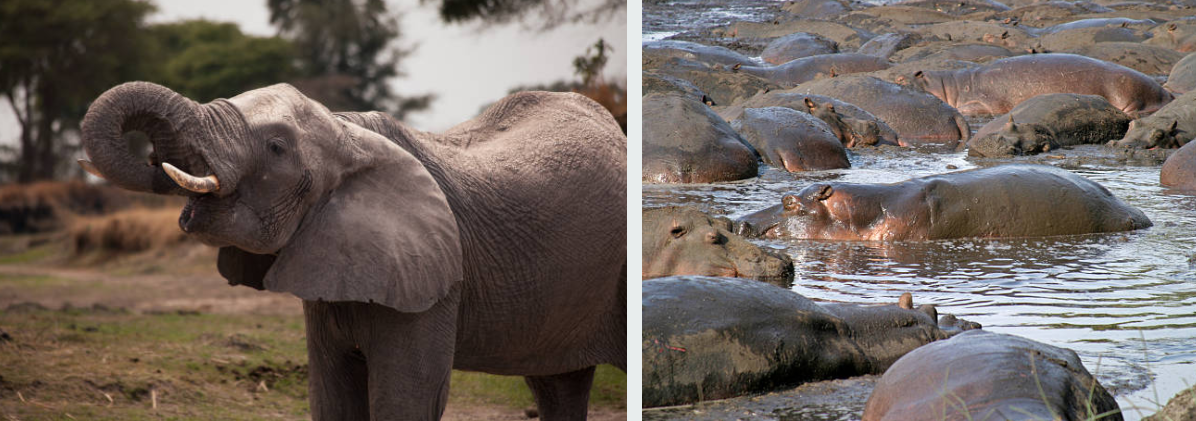
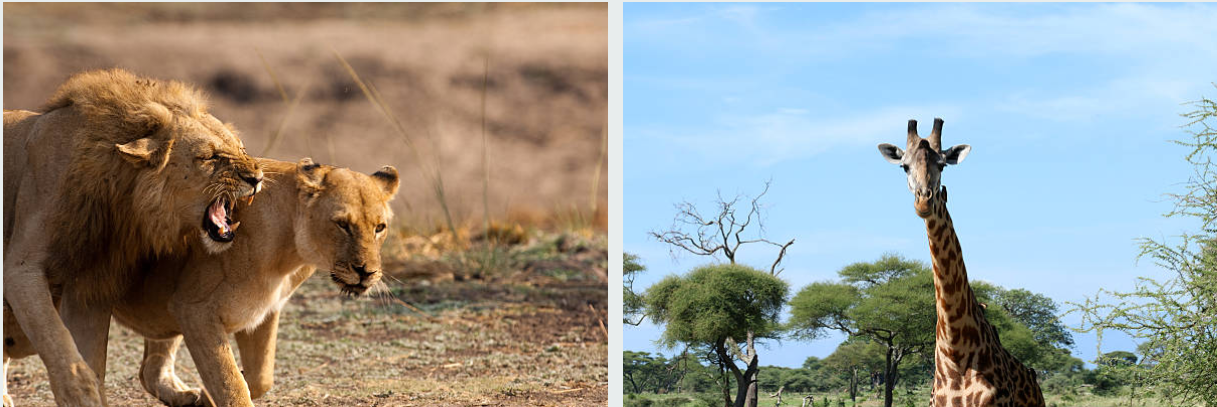
One of the park’s highlights is its enormous buffalo herds, sometimes numbering in the thousands. These massive groups dominate the floodplains, often trailed by lions looking for an opportunity to hunt. The park’s lion population is healthy, and sightings of prides feasting on prey are common.
Hippos are another major attraction. During the dry season, hundreds of hippos cram into shrinking pools, leading to intense territorial fights. The sight and sound of these clashes are unforgettable. Similarly, crocodiles lurk in the remaining waterholes, waiting for thirsty animals to approach.
Elephants roam the woodlands in substantial numbers, often seen in family groups. Other herbivores include zebras, giraffes, impalas, and topis. Leopards are elusive but present, while wild dogs, though rare, occasionally make an appearance. Birdlife is also abundant, with over 400 species recorded, including fish eagles, storks, and colorful bee-eaters.
Game Drives in Katavi National Park
Game drives in Katavi National Park are an adventure unlike any other. The park’s rough, unmanicured trails add to the wild experience. Morning drives are ideal for spotting predators still active from the night, while afternoon drives offer golden lighting and heightened animal activity near water sources.
One of the best areas to explore is the Katuma River and its surrounding floodplains. Here, animals congregate in large numbers, providing excellent viewing opportunities. Another hotspot is Lake Chada, a seasonal lake that attracts flocks of birds and herds of grazers.
Night drives, though less common, can be arranged with certain lodges. These excursions reveal nocturnal creatures like hyenas, genets, and bushbabies. Walking safaris are also available, offering a thrilling ground-level perspective of the wilderness.
Cultural Experiences Near Katavi National Park
While Katavi National Park is primarily a wildlife destination, the surrounding region offers rich cultural interactions. The local tribes, including the Sukuma and the Pimbwe, have lived in harmony with the land for generations.
Visiting a nearby village provides insight into traditional Tanzanian life. You might witness traditional dances, learn about local farming techniques, or even participate in craft workshops. Some lodges organize cultural tours where guests can meet village elders and hear stories of the region’s history.
Another fascinating cultural aspect is the presence of ancient rock paintings near Lake Katavi. These artworks, believed to be thousands of years old, offer a glimpse into the spiritual and daily lives of the area’s earliest inhabitants.
Best Time to Visit Katavi National Park
The best time to visit Katavi National Park depends on what you want to experience. The dry season (May to October) is prime for wildlife viewing. As water sources shrink, animals gather around remaining rivers and lakes, making sightings incredibly frequent. The weather is also cooler and more comfortable for safaris.
The wet season (November to April) transforms the park into a lush, green paradise. While wildlife disperses, the landscape is stunning, and birdwatching is at its peak. However, some roads may become impassable due to heavy rains, and certain lodges close during this period.
For those who prefer fewer crowds and don’t mind the heat, late October can be a good compromise, offering decent wildlife sightings without the peak-season rush.
Accommodations in Katavi National Park
Despite its remoteness, Katavi National Park offers a range of accommodations, from luxury lodges to rustic campsites. Most lodges are small and intimate, ensuring personalized service and an exclusive safari experience.
High-end options include Chada Katavi, a luxury tented camp known for its elegant design and superb game-viewing opportunities. Another excellent choice is Katavi Wildlife Camp, which offers spacious tents and expert-guided walks.
For mid-range travelers, Mbali Mbali Katavi Lodge provides comfortable accommodations with stunning views of the floodplains. Budget-conscious visitors can opt for public campsites, though these require self-sufficiency and prior arrangements with park authorities.
Regardless of where you stay, the sounds of the African bush will lull you to sleep, and the thrill of adventure will wake you each morning.
Katavi National Park is a hidden gem for those who crave an authentic, crowd-free safari experience. With its dense wildlife populations, dramatic landscapes, and rich cultural surroundings, it stands as one of Tanzania’s most rewarding destinations. Whether you come for the lions, the hippos, or the sheer solitude, Katavi promises an unforgettable journey into the wild heart of Africa.
