
Exploring Tarangire National Park, Tanzania: A Wildlife Paradise
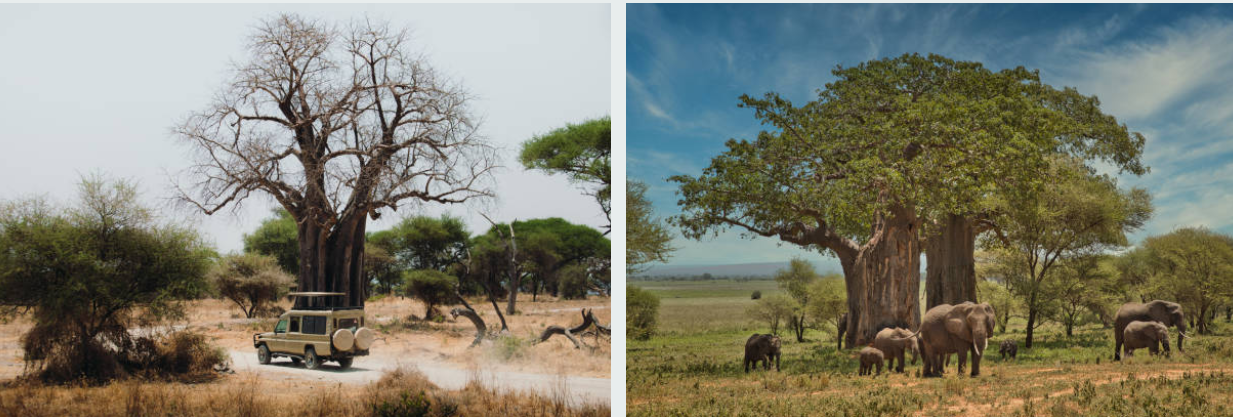
Tarangire National Park, Tanzania, is one of the country’s most stunning yet often underrated wildlife destinations. Known for its massive elephant herds, ancient baobab trees, and diverse ecosystems, this park offers an unforgettable safari experience. Unlike the more famous Serengeti or Ngorongoro, Tarangire provides a quieter, more intimate encounter with nature. Whether you’re a wildlife enthusiast, a photographer, or a traveler seeking adventure, this park has something extraordinary to offer.
What to Expect in Tarangire National Park
Tarangire National Park, Tanzania, spans approximately 2,850 square kilometers, featuring a mix of grasslands, swamps, and woodlands. The Tarangire River, the park’s lifeline, attracts thousands of animals during the dry season, making it a prime wildlife-viewing destination. Visitors can expect breathtaking landscapes, close encounters with animals, and a sense of untouched wilderness.
The park is less crowded than other Tanzanian reserves, allowing for a more peaceful safari experience. Game drives here are rewarding, with frequent sightings of predators, herbivores, and rare bird species. Additionally, cultural interactions with local Maasai communities add depth to the journey.
Animals to See in Tarangire National Park
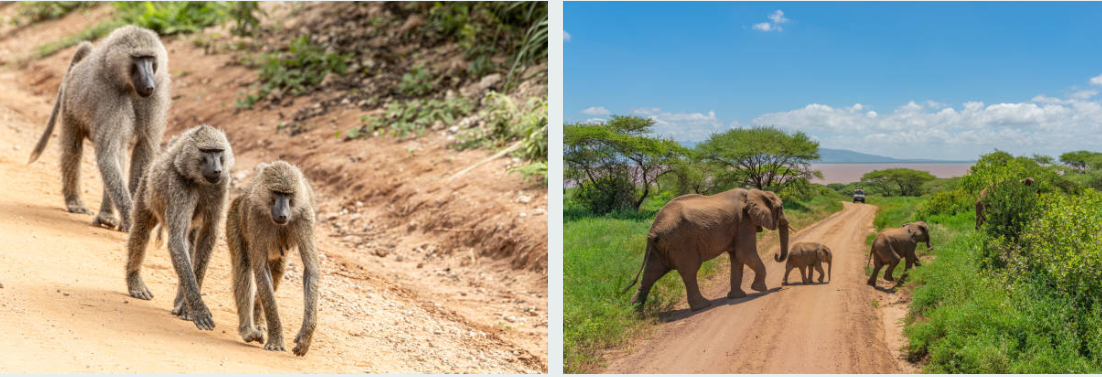
Tarangire is famous for its large elephant population. Herds of up to 300 elephants can be seen around the river, especially in the dry months. These majestic creatures are a highlight, often seen playfully splashing in the water or feeding on acacia trees.
Beyond elephants, the park hosts lions, leopards, and cheetahs. Lions are commonly spotted lounging under trees or hunting in the grasslands. Leopards, though more elusive, can sometimes be seen resting on tree branches. Cheetahs roam the open plains, using their speed to chase down prey.
Herbivores are abundant, with zebras, wildebeests, giraffes, and buffalo frequently seen. The park is also home to rare species like the fringe-eared oryx and the lesser kudu. During the dry season, migratory animals from nearby regions flock to Tarangire, increasing wildlife density.
Birdwatchers will be delighted by over 550 bird species, including the yellow-collared lovebird, the kori bustard (Africa’s heaviest flying bird), and the colorful lilac-breasted roller. The swamps and riverbanks attract storks, kingfishers, and eagles, making it a birding paradise.
Game Drives in Tarangire National Park
Game drives are the best way to explore Tarangire’s vast wilderness. Morning drives are ideal for spotting predators, as lions and leopards are most active at dawn. The cool air and golden light also make for spectacular photography.
Afternoon drives offer a different experience, with elephants and other herbivores gathering at waterholes. Sunset drives provide breathtaking views as the sky turns orange, casting a magical glow over the baobab trees.
For a unique adventure, night game drives (available in certain areas) reveal nocturnal animals like civets, genets, and hyenas. These excursions offer a rare glimpse into the park’s after-dark activities.
Guided walking safaris are another thrilling option. Led by armed rangers, these walks allow visitors to track animals on foot, learn about smaller creatures, and appreciate the park’s intricate ecosystems up close.
Cultural Experiences Near Tarangire National Park
A visit to Tarangire National Park, Tanzania, isn’t complete without engaging with the local Maasai people. These semi-nomadic pastoralists have lived in harmony with wildlife for centuries. Many lodges and tour operators arrange cultural visits to nearby Maasai villages.
During these visits, travelers can witness traditional dances, learn about Maasai customs, and even participate in beadwork or spear-throwing demonstrations. The Maasai are known for their vibrant clothing, intricate jewelry, and deep knowledge of the land.
Another cultural highlight is visiting a local market. Towns like Mto wa Mbu, near the park, offer bustling markets where you can buy handmade crafts, fresh produce, and interact with Tanzanian traders. These experiences provide insight into the daily lives of the people who call this region home.
Best Time to Visit Tarangire National Park
The dry season (June to October) is the best time to visit Tarangire National Park. With sparse vegetation and animals congregating around the Tarangire River, wildlife viewing is at its peak. This is also when migratory species arrive, boosting animal numbers significantly.
The wet season (November to May) brings lush greenery and fewer tourists, making it ideal for birdwatching and photography. However, some roads may become muddy, and animals disperse across the park, making them harder to spot.
For those who prefer a balance, the short dry period in January and February offers pleasant weather and excellent game viewing without the peak-season crowds
Accommodations in and Around Tarangire National Park
Tarangire offers a range of accommodations, from luxury lodges to budget-friendly campsites. High-end options like Tarangire Treetops and Kuro Tarangire provide luxurious tented suites with stunning views, gourmet dining, and guided safari activities.
Mid-range lodges such as Tarangire Sopa Lodge offer comfortable stays with swimming pools, spacious rooms, and easy access to game drives. For budget travelers, public campsites inside the park provide a more rustic experience under the stars.
Many lodges are eco-friendly, using solar power and sustainable practices to minimize environmental impact. Staying at these places supports conservation efforts while ensuring a memorable experience.
Tarangire National Park, Tanzania, is a hidden gem that promises incredible wildlife encounters, breathtaking landscapes, and rich cultural experiences. Whether you come for the elephants, the birdlife, or the serene beauty of the baobab-dotted plains, this park will leave you in awe. With excellent game drives, diverse accommodations, and year-round attractions, it’s a must-visit destination for any safari lover. Plan your trip wisely, and prepare for an adventure like no other in Tarangire National Park.
