
Exploring the Wonders of Masai Mara National Reserve
The Masai Mara National Reserve is one of Africa’s most iconic wildlife destinations, renowned for its breathtaking landscapes, abundant wildlife, and rich cultural heritage. Located in southwestern Kenya, this reserve is a continuation of Tanzania’s Serengeti National Park, forming a vital ecosystem that supports one of the greatest wildlife spectacles on earth—the Great Migration. Whether you’re a first-time visitor or a seasoned safari enthusiast, the Masai Mara National Reserve promises an unforgettable adventure.
What to Expect in Masai Mara National Reserve
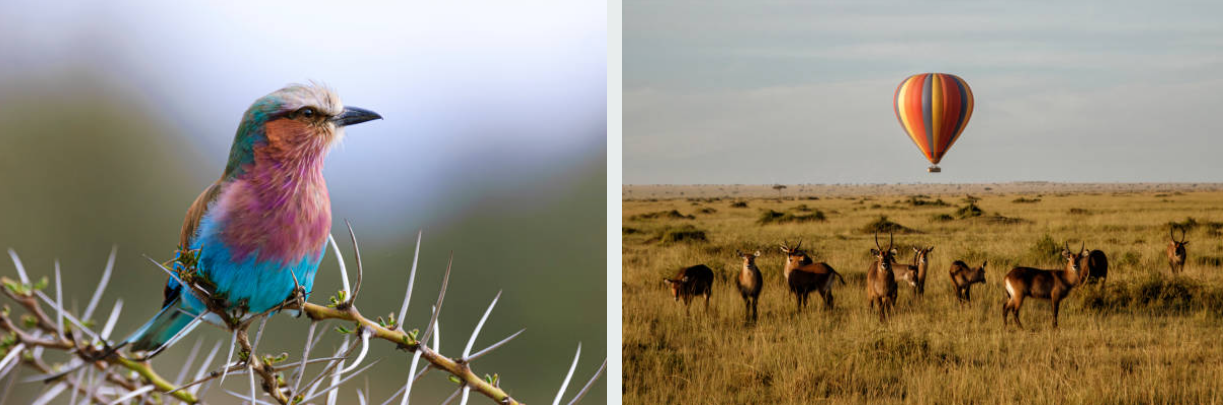
Visiting the Masai Mara National Reserve is like stepping into a wildlife documentary. The vast savannahs, rolling hills, and winding rivers create a stunning backdrop for game viewing. The reserve is home to an incredible diversity of animals, from the Big Five (lion, leopard, elephant, buffalo, and rhino) to cheetahs, zebras, giraffes, and hundreds of bird species.
Beyond wildlife, the reserve offers a glimpse into the traditions of the Maasai people, one of Kenya’s most famous indigenous communities. Their vibrant culture, traditional dances, and unique way of life add a rich cultural dimension to any safari experience.
Animals to See in Masai Mara
The Masai Mara National Reserve is a wildlife enthusiast’s paradise. Here are some of the animals you can expect to encounter:
1. The Big Five
-
Lions: The Mara is famous for its large prides, often seen lounging under acacia trees or hunting.
-
Leopards: These elusive cats are frequently spotted in trees or rocky outcrops.
-
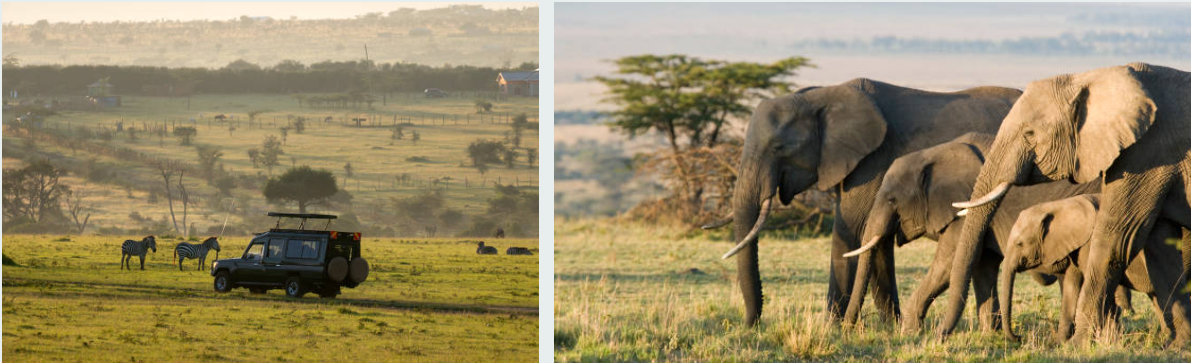
Elephants: Herds roam freely, especially near the Mara River.
-
Buffaloes: Massive herds graze across the plains.
-
Rhinos: Though rare, both black and white rhinos can be seen in protected areas.
2. The Great Migration
Between July and October, over a million wildebeest, zebras, and gazelles cross from the Serengeti into the Mara in search of fresh grass. This dramatic event features thrilling river crossings where crocodiles lie in wait, making it one of nature’s most spectacular shows.
3. Other Wildlife
-
Cheetahs: The open plains provide the perfect hunting ground for the world’s fastest land animal.
-
Hippos & Crocodiles: The Mara and Talek Rivers are packed with hippos, while Nile crocodiles lurk beneath the surface.
-
Giraffes, Zebras & Antelopes: These herbivores are commonly seen grazing across the reserve.
Game Drives in Masai Mara
Game drives are the highlight of any visit to the Masai Mara National Reserve. These excursions, conducted in open-top 4×4 vehicles, allow visitors to explore the reserve’s diverse habitats and spot wildlife up close.
Types of Game Drives
-
Morning Drives: The best time to see predators active, as lions and leopards hunt at dawn.
-
Evening Drives: Perfect for sunset views and spotting nocturnal animals like hyenas.
-
Full-Day Drives: Ideal for exploring remote areas and witnessing the Great Migration.
-
Private Drives: Tailored for photographers and those seeking exclusive experiences.
Hot air balloon safaris are another thrilling way to experience the reserve, offering a bird’s-eye view of the wildlife below.
Cultural Experiences with the Maasai People
A visit to the Masai Mara National Reserve isn’t complete without engaging with the Maasai community. Known for their striking red robes, intricate beadwork, and jumping dances, the Maasai offer cultural tours that include:
-
Village Visits: Learn about their traditional homes (manyattas), customs, and way of life.
-
Warrior Training: Watch demonstrations of spear-throwing and fire-making.
-
Beadwork & Crafts: Support local artisans by purchasing handmade jewelry and souvenirs.
These interactions provide a deeper understanding of Kenya’s heritage and the Maasai’s harmonious relationship with wildlife.
Best Time to Visit Masai Mara
The reserve is a year-round destination, but the best time depends on what you want to see:
-
July–October: Peak season for the Great Migration and river crossings.
-
December–February: Warm weather with excellent birdwatching and fewer crowds.
-
March–June: Low season with lush landscapes, though some areas may be muddy.
Wildlife viewing is always rewarding, but if witnessing the migration is a priority, plan your trip between July and October.
Accommodations in Masai Mara
From luxury lodges to budget-friendly camps, the Masai Mara National Reserve offers a range of accommodations to suit every traveler:
1. Luxury Lodges
-
&Beyond Bateleur Camp: A high-end retreat with private butlers and gourmet dining.
-
Mara Serena Safari Lodge: Offers stunning views of the Mara River.
2. Mid-Range Camps
-
Mara Intrepid’s Camp: Family-friendly with guided bush walks.
-
Sarova Mara Game Camp: Combines comfort with excellent game-viewing opportunities.
3. Budget Campsites
-
Mara Explorers Camp: Affordable yet comfortable with great access to wildlife.
-
Oloololo Public Campsite: A basic option for self-driving safari enthusiasts.
Many lodges and camps offer all-inclusive packages with meals, game drives, and cultural activities, ensuring a hassle-free experience.
The Masai Mara National Reserve is a must-visit destination for anyone seeking adventure, wildlife, and cultural immersion. Whether you’re tracking lions on a game drive, witnessing the Great Migration, or dancing with Maasai warriors, every moment in the Mara is unforgettable. With its diverse ecosystems, abundant wildlife, and warm hospitality, this reserve remains one of Africa’s greatest treasures. Plan your visit today and discover the magic of the Mara!
