
Exploring Nyungwe Forest National Park: A Guide to Rwanda’s Pristine Wilderness
Nestled in the southwestern corner of Rwanda, Nyungwe Forest National Park is a breathtaking expanse of lush rainforest, mist-covered hills, and vibrant biodiversity. As one of Africa’s oldest and most well-preserved montane rainforests, it offers an unforgettable experience for nature lovers, adventure seekers, and cultural enthusiasts alike. Whether you’re trekking through dense foliage, spotting rare primates, or immersing yourself in local traditions, Nyungwe Forest National Park promises a journey into the heart of untouched wilderness.
What to Expect in Nyungwe Forest National Park
Visitors to Nyungwe Forest National Park can expect a serene yet exhilarating escape into nature. The park spans over 1,000 square kilometers, featuring a network of hiking trails, swinging canopy walks, and stunning waterfalls. The terrain varies from steep slopes to gentle valleys, making it ideal for both challenging hikes and leisurely walks.
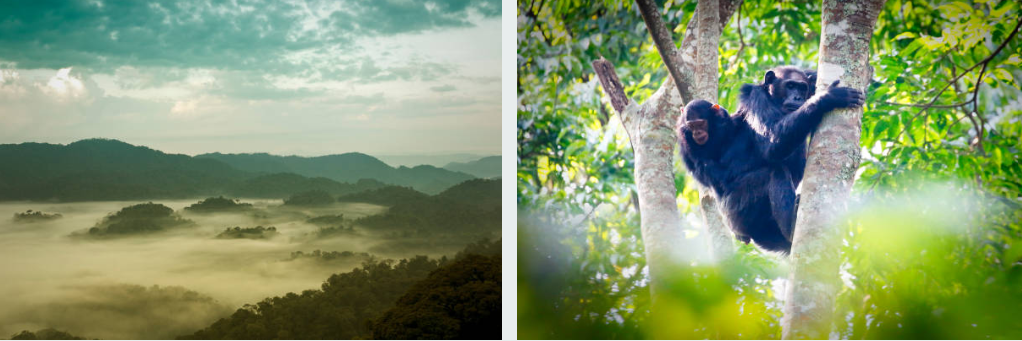
The forest is often shrouded in mist, creating an almost mystical atmosphere. Bird calls, rustling leaves, and the occasional chatter of monkeys fill the air, immersing you in a world far removed from urban life. The park is also home to a rich variety of flora, including ancient mahogany trees, orchids, and giant ferns, adding to its enchanting beauty.
Animals to See
One of the biggest draws of this Park is its incredible wildlife, particularly its primates. The park is renowned for its 13 species of primates, including:
-
Chimpanzees: Nyungwe is one of the best places in Africa to track chimpanzees. Watching these intelligent creatures in their natural habitat is a highlight for many visitors.
-
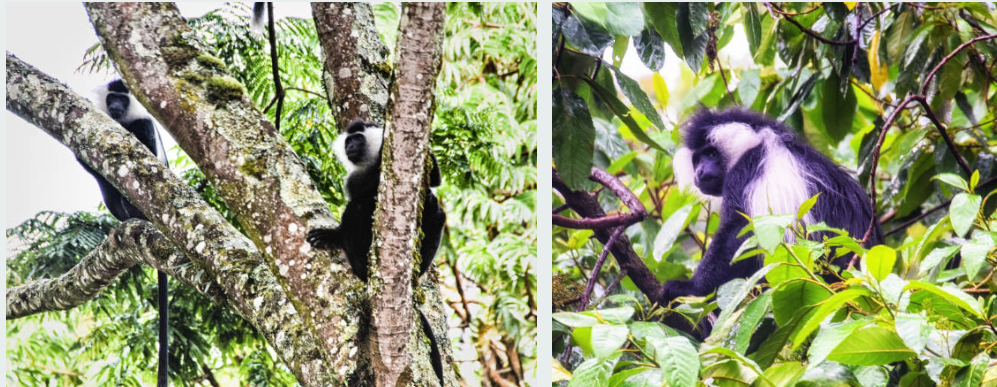
Angolan Colobus Monkeys: Known for their striking black-and-white fur, these monkeys live in large troops and are often seen leaping through the trees.
-
L’Hoest’s Monkeys: These shy, terrestrial monkeys are a rare sight but can sometimes be spotted during guided walks.
-
Grey-Cheeked Mangabeys: These social primates travel in noisy groups, making them easier to locate.
Beyond primates, the park is a haven for birdwatchers, with over 300 bird species, including the Great Blue Turaco and Ruwenzori Turaco. Lucky visitors might also spot forest elephants, leopards, and various reptiles and amphibians.
Game Drives and Canopy Walks
Unlike traditional savannah parks, Nyungwe Forest National Park does not offer classic game drives due to its dense vegetation. Instead, the best way to explore is on foot. Guided nature walks and hikes range from easy strolls to strenuous full-day treks.
A must-do activity is the Canopy Walk, a suspended bridge 50 meters above the forest floor. This exhilarating walk provides a bird’s-eye view of the treetops, where you might spot monkeys, birds, and even distant mountain peaks. The trail leading to the canopy walk is moderately challenging but rewards visitors with unparalleled scenery.
For those interested in chimpanzee tracking, early morning treks are organized with experienced guides. These treks can last several hours, depending on the chimps’ location, but the thrill of observing them up close is well worth the effort.
Cultural Experiences Around Nyungwe Forest National Park
Beyond its natural wonders, the region surrounding Nyungwe Forest National Park is rich in culture. Visitors can engage with local communities to learn about traditional Rwandan life. Some cultural experiences include:
-
Tea Plantation Tours: The nearby Gisakura and Kitabi tea estates offer guided tours where visitors can learn about tea production and even participate in harvesting.
-
Local Village Visits: Engaging with communities near the park provides insight into Rwandan traditions, including dance performances, basket weaving, and cooking demonstrations.
-
Community-Based Tourism: Some lodges collaborate with local villages to offer immersive experiences, such as guided forest walks with indigenous guides who share their knowledge of medicinal plants and folklore.
These interactions not only enrich your visit but also support sustainable tourism and local livelihoods.
Best Time to Visit Nyungwe Forest National Park
The best time to visit Nyungwe Forest National Park depends on your preferences. The park is accessible year-round, but certain seasons offer better conditions for specific activities:
-
Dry Season (June to September & December to February): These months are ideal for hiking and chimpanzee tracking, as trails are less muddy and wildlife is easier to spot.
-
Wet Season (March to May & October to November): While rain can make trails slippery, this period brings lush greenery, fewer tourists, and excellent birdwatching opportunities.
Temperatures remain cool throughout the year due to the park’s high altitude, so packing warm clothing is advisable, especially for early morning excursions.
Accommodations
From luxury lodges to budget-friendly options, accommodations near Nyungwe Forest National Park cater to different preferences:
-
One&Only Nyungwe House: A high-end lodge offering luxurious suites, gourmet dining, and stunning views of the tea plantations.
-
Nyungwe Top View Hill Hotel: A mid-range option with comfortable rooms and panoramic forest views.
-
Gisakura Guest House: A budget-friendly choice for travelers seeking simple yet cozy lodging.
Many lodges organize guided tours and transportation, making it easy to explore the park without hassle.
Nyungwe Forest National Park is a gem in Rwanda’s conservation landscape, offering a unique blend of wildlife, adventure, and cultural immersion. Whether you’re trekking through ancient forests, marveling at rare primates, or connecting with local communities, this park provides an extraordinary escape into nature. With its diverse ecosystems and unforgettable experiences, Nyungwe Forest National Park is a must-visit destination for any traveler seeking the wonders of Africa’s wild heart.
