
Exploring the Wonders of Lake Mburo National Park, Uganda
Nestled in the heart of Uganda, Lake Mburo National Park is a hidden gem that offers a unique blend of wildlife, scenic landscapes, and rich cultural experiences. Covering an area of 370 square kilometers, it is the smallest of Uganda’s savannah national parks, yet it boasts an incredible diversity of flora and fauna. Whether you’re a wildlife enthusiast, an adventure seeker, or a cultural explorer, Lake Mburo National Park promises an unforgettable experience.
Historical Facts
The history of Lake Mburo National Park dates back to 1933 when it was established as a controlled hunting area. Later, in 1963, it was upgraded to a game reserve, and finally, in 1983, it was declared a national park. The park’s name is derived from Lake Mburo, one of the five lakes within its boundaries, which holds cultural significance for the local Bahima and Banyankole communities.
Interestingly, the park’s establishment faced resistance from local pastoralists who relied on the land for grazing. Over time, conservation efforts have balanced wildlife protection and community needs, making Lake Mburo National Park a model for sustainable tourism in Uganda.
What to Expect in Lake Mburo National Park
Unlike other Ugandan parks dominated by dense forests, Lake Mburo National Park features a mix of savannah, woodlands, wetlands, and lakes. This varied ecosystem supports a wide range of wildlife, making it an excellent destination for game viewing, birdwatching, and boat safaris.
Visitors can expect:
-
Close encounters with wildlife – The park is home to zebras, impalas, buffalo, and even leopards.
-
Breathtaking landscapes – Rolling hills, acacia woodlands, and serene lakes create a picturesque setting.
-
Adventure activities – From horseback safaris to guided nature walks, there’s something for everyone.
-
Cultural interactions – Engage with the local communities and learn about their traditions.
Animals to See in Lake Mburo National Park
While it may not have elephants or lions, this Park is rich in other wildlife species. Some of the animals you can spot include:
1. Zebras
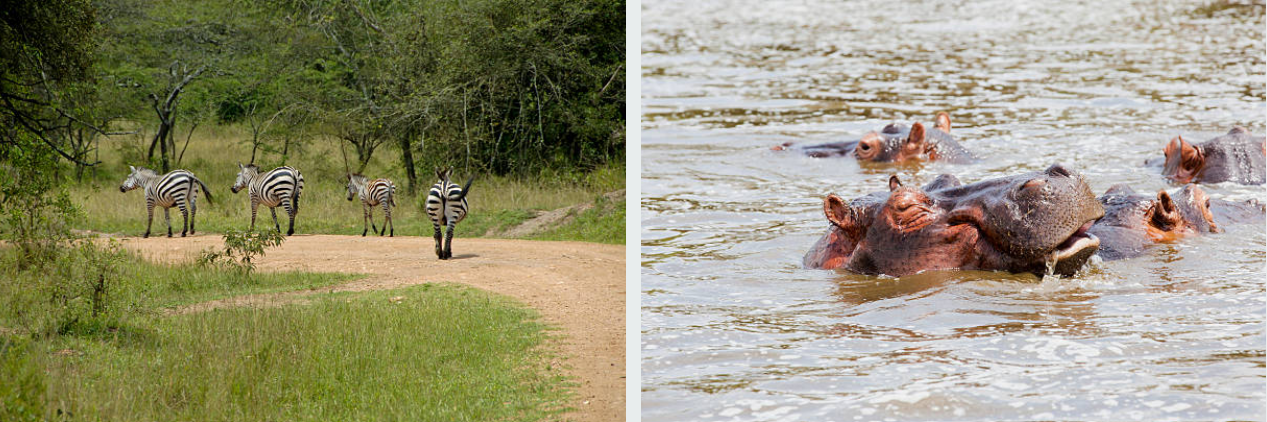
The park is one of the few places in Uganda where you can see Burchell’s zebras roaming freely. Their striking black-and-white stripes make them a favorite among photographers.
2. Impalas
Lake Mburo has Uganda’s largest population of impalas. These graceful antelopes are often seen grazing in open savannahs.
3. Elands
As the world’s largest antelope, the eland is a majestic sight. The park is one of the best places in Uganda to see them.
4. Buffaloes
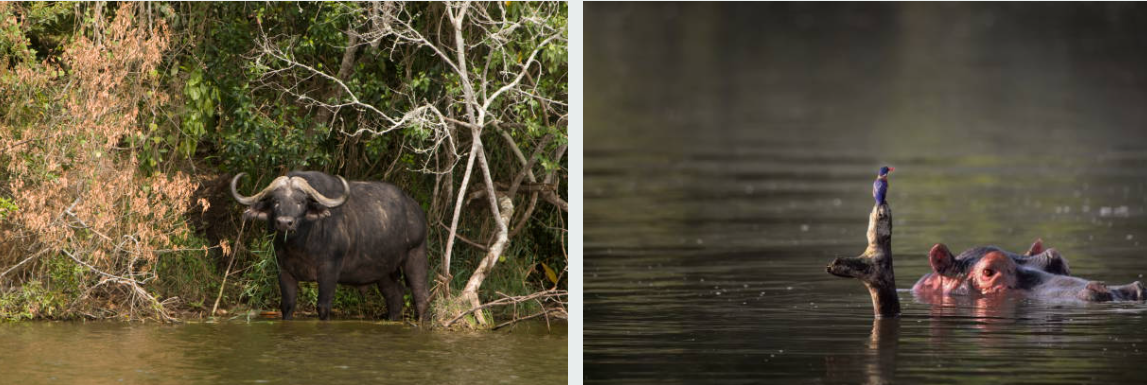
Herds of African buffaloes are commonly seen near water sources, especially around Lake Mburo.
5. Leopards
Though elusive, leopards inhabit the park, and lucky visitors might spot one during night game drives.
6. Hippos and Crocodiles
The lakes in the park are home to numerous hippos and Nile crocodiles, best observed during boat safaris.
7. Birds
With over 350 bird species, including the rare shoebill stork (seasonal), Lake Mburo National Park is a paradise for birdwatchers.
Game Drives
Game drives are the highlight of any visit to this Park. It offers both day and night drives, each providing a unique experience.
Day Game Drives
Morning and evening game drives are ideal for spotting zebras, impalas, buffaloes, and elands. The Kazuma Track and Rwonyo Rest Camp area are prime locations for wildlife sightings.
Night Game Drives
For a more thrilling experience, night game drives reveal nocturnal animals like hyenas, bushbabies, and leopards. The park’s limited light pollution also makes for incredible stargazing.
Cultural Experiences Around Lake Mburo National Park
Beyond wildlife, this Park offers enriching cultural encounters with the local Banyankole and Bahima communities. Some activities include:
1. Igongo Cultural Village Visit
Located near the park, this cultural center showcases the traditions of the Ankole people. Visitors can enjoy traditional dances, crafts, and local cuisine.
2. Eco-Community Walks
Guided walks through nearby villages provide insight into the daily lives of pastoralists. You can learn about cattle keeping, milking traditions, and local farming methods.
3. Bahera Women’s Group Visit
This community initiative allows tourists to engage with local women, participate in craft-making, and support sustainable tourism.
Best Time to Visit Lake Mburo National Park
The park can be visited year-round, but the best time depends on your preferences:
Dry Season (June-August & December-February)
-
Pros: Wildlife congregates around water sources, making sightings easier. Roads are more accessible.
-
Cons: Higher tourist numbers and slightly warmer temperatures.
Wet Season (March-May & September-November)
-
Pros: Lush green landscapes, fewer tourists, and excellent birdwatching opportunities.
-
Cons: Some trails may be muddy, and animal sightings are more frequent.
Accommodations
Whether you prefer luxury lodges or budget-friendly campsites, Lake Mburo National Park has options for every traveler:
1. Mihingo Lodge
A luxury eco-lodge offering stunning views, private bandas, and a tranquil atmosphere.
2. Rwakobo Rock
A mid-range lodge with rustic charm, perched on a rock with panoramic views of the park.
3. Arcadia Cottages
Affordable yet comfortable cottages are located near the park entrance.
4. UWA Campsites
For budget travelers, the Uganda Wildlife Authority (UWA) provides basic campsites with shared facilities.
This park is a must-visit destination for anyone exploring Uganda. Its unique wildlife, stunning landscapes, and vibrant cultural experiences make it stand out among East Africa’s parks. Whether you’re on a game drive, a boat safari, or a cultural tour, the park offers something special for every traveler. Plan your visit today and discover the magic of Lake Mburo National Park!
