What to Pack for Nkuringo Gorilla Trekking: Practical Checklist
For gorilla trekking in Nkuringo, pack sturdy walking boots, long trousers, a long-sleeved shirt, a waterproof jacket, gloves and a comfortable daypack. Add drinking water, a packed lunch or snacks as arranged with your accommodation, personal medication and protection for your camera and phone. Choose clothes you can walk in comfortably, rather than buying a completely new safari wardrobe.
This Nkuringo gorilla trekking packing list focuses on what you need for a forest walk in Uganda’s Bwindi Impenetrable National Park. Prepare for uneven ground, muddy sections, vegetation and changing weather. Your exact needs will depend on the forecast, your arrangements and the instructions provided by your trekking operator or park staff.
Essential packing checklist
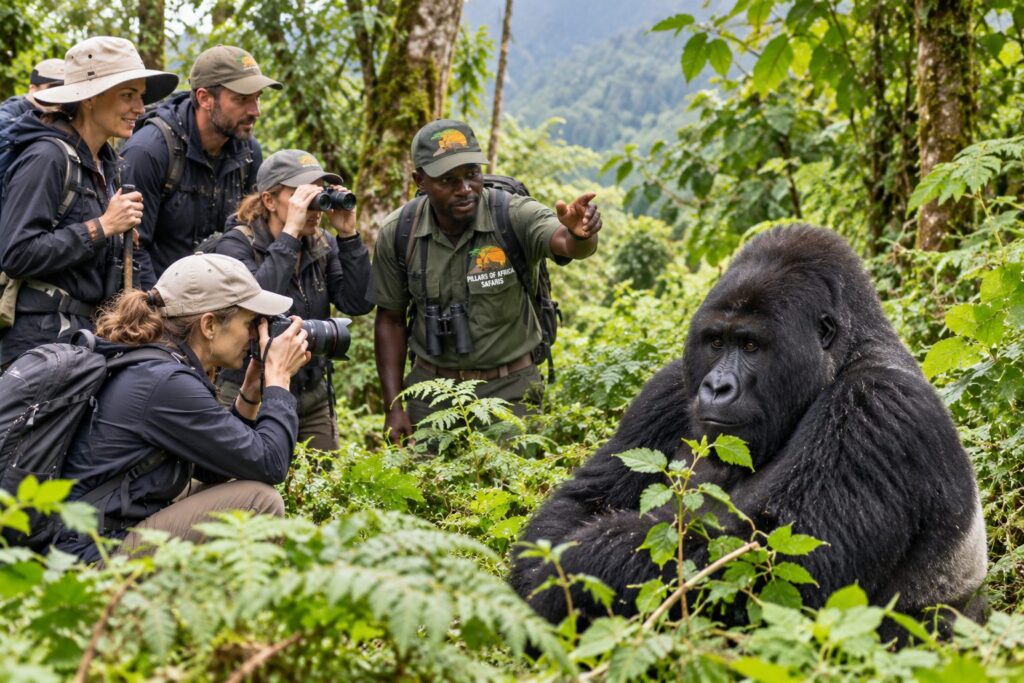
Keep your trekking kit separate from the luggage you will leave at your accommodation. The aim is a manageable daypack with essentials you can reach easily.
| Item | What to look for |
|---|---|
| Walking boots | A broken-in pair with good grip and comfortable support |
| Long trousers | Flexible, quick-drying fabric that covers your legs |
| Long-sleeved shirt | Lightweight, breathable fabric for walking |
| Waterproof jacket | A packable layer with a hood |
| Gloves | Durable gloves that fit well and allow a firm grip |
| Daypack | Comfortable straps and enough room for food, water and layers |
| Drinking water | An amount agreed with your guide or operator before departure |
| Food | A packed lunch or snacks, depending on your arrangements |
| Camera protection | A waterproof pouch or dry bag and a lens cloth |
| Personal essentials | Medication, sun protection, insect repellent and tissues |
What to wear for the trek
Broken-in walking boots and suitable socks
Choose footwear with tread that grips uneven and slippery ground. Walking boots are a practical choice, especially if you prefer ankle coverage. Fit matters: your toes should have room, and your heels should not rub as you walk.
Do not save new boots for trekking day. Wear them on several walks before travelling, ideally with the socks you plan to use. Pack a spare pair of socks in a waterproof bag in case your feet get wet. Blister dressings are also useful if you are prone to rubbing.
Long trousers and a long-sleeved shirt
Long clothing helps protect your skin from contact with vegetation. Pick trousers that allow you to take high steps and bend comfortably. Lightweight walking trousers are generally more practical than heavy jeans, which can feel restrictive and dry slowly when wet.
A breathable long-sleeved shirt provides coverage without adding too much bulk. Wear layers you can adjust as you warm up or stop walking. If insects are a concern, keeping cuffs and trouser openings closed can help reduce exposed skin.
A light warm layer
Bring a light fleece or similar layer for a cool start or a pause in activity. Pack it where it will stay dry. You do not need to wear every layer at once; adjust your clothing so you are comfortable rather than overheating.
Rain gear and protection from mud
Prepare for rain even when the forecast looks favourable. A waterproof jacket with a hood is useful because it leaves your hands free while walking. Check its fit over your other layers before the trip.
If you prefer a poncho, test how it sits over your daypack. Loose material can catch on vegetation, so choose something you can manage easily. Waterproof overtrousers are optional and may be useful if you dislike walking in wet clothing.
A pack cover helps protect your bag, but it may not keep everything inside dry. Place sensitive items in a separate dry bag or waterproof pouch. Keep a change of clothes at your accommodation so you can change out of wet or muddy kit after the trek.
Are gaiters useful?
Gaiters are optional. They can help keep mud and debris out of your boots and provide extra coverage around your lower legs. Try them with your boots before travelling so you know how to secure them without restricting movement.
Gloves and walking support
Pack durable gloves to protect your hands if you need to steady yourself against rough vegetation. Well-fitting gardening gloves can be a practical option. Avoid anything so bulky or slippery that it makes gripping difficult.
If you normally use a walking pole, ask your operator about bringing it and about any locally available walking support. Do not assume equipment will be supplied. Make sure you know how to adjust and carry any equipment you intend to use.
Water, food and personal essentials
Carry drinking water in a secure bottle or hydration system. Ask your guide or operator how much to bring, taking account of the expected conditions and your own needs. Do not rely on finding drinking water along the route.
Confirm whether your accommodation or operator will arrange a packed lunch. If you have dietary requirements, discuss them in advance. Choose food that is easy to carry, keep it sealed and bring back all wrappers and other rubbish.
Keep these personal items accessible:
- Any medication you may need during the day.
- Blister dressings and a small personal first-aid kit.
- Sunscreen and insect repellent, used according to their labels.
- Tissues, hand sanitiser and a bag for used tissues or other waste.
- Glasses or other personal items you need for comfortable walking and viewing.
Discuss relevant health or mobility concerns with your operator before travelling. Packing suitable equipment does not replace advice about whether the activity is appropriate for you.
Camera and phone protection
Bring a camera or phone you can carry comfortably and operate confidently. Forest conditions can be damp, and light levels can vary. Familiarise yourself with your equipment before the trip rather than learning its settings during the encounter.
Carry a waterproof pouch or dry bag, a lens cloth, a charged battery and sufficient storage. Keep spare batteries and memory cards dry. Avoid leaving a camera hanging loosely where it can swing into vegetation or affect your balance.
Ask about current photography instructions at the briefing, including flash use, and follow the guide’s directions throughout. Keep equipment simple enough that you can put it away quickly when you need both hands for walking. Your footing and the guide’s instructions take priority over a photograph.
Documents and final checks
Before leaving your accommodation, confirm what identification and booking documents you need to present. Ask whether originals are required and keep documents protected from rain. Do not assume a phone screenshot will be sufficient.
Also confirm your reporting point, departure time, transport arrangements and any equipment your operator has agreed to provide. For broader preparation, see our guide to gorilla trekking. If the trek is part of a longer trip, our Uganda safaris page can help you explore the wider itinerary.
What to leave behind
Avoid overpacking your daypack. Carrying unnecessary weight can make walking less comfortable, particularly on uneven terrain.
- Leave heavy everyday bags and unnecessary valuables at your accommodation, using any suitable storage arrangements available.
- Avoid bulky camera accessories unless you have a clear need for them and have checked whether they are suitable.
- Do not rely on smooth-soled casual shoes for the trek.
- Leave spare outfits in your main luggage rather than carrying your full travel wardrobe.
If you are considering porter assistance, ask your operator about availability, arrangements and payment before the trekking day. Even with help carrying a bag, keep essential medication and other immediate needs within reach.
Frequently asked questions
Do I need waterproof boots?
Waterproof boots can be useful in wet conditions, but fit, grip and familiarity are important too. Choose footwear you have tested on walks. Waterproofing does not guarantee dry feet if water enters over the top.
Can I wear shorts for gorilla trekking?
Long trousers are the more practical choice because they provide coverage against vegetation. Choose a lightweight pair that allows you to move freely.
Should I pack rain gear in a drier period?
Yes. Rain is still possible, so carry a waterproof layer and protect the contents of your daypack. Check the local forecast close to departure, but do not use it as a reason to leave essential rain protection behind.
What size daypack should I bring?
Choose a bag that holds your water, food, rain layer and personal essentials without being tightly overfilled. Comfortable straps and easy access matter more than choosing a particular capacity.