Nkuringo Gorilla Trekking Difficulty: Fitness, Terrain and Trekking Time
Nkuringo gorilla trekking difficulty comes mainly from steep terrain, uneven forest paths and an uphill return that can feel demanding after several hours of walking. You do not need to be an athlete, but reasonable walking fitness and confidence on slopes are helpful. Rain, mud and the gorillas’ location can make a trek more challenging.
Nkuringo is a gorilla trekking sector in the southern part of Bwindi Impenetrable National Park in southwestern Uganda. There is no fixed walking time or guaranteed easy route. Plan for a potentially strenuous outing, prepare for changing conditions and discuss any mobility or health concerns before booking.
How difficult is gorilla trekking in Nkuringo?
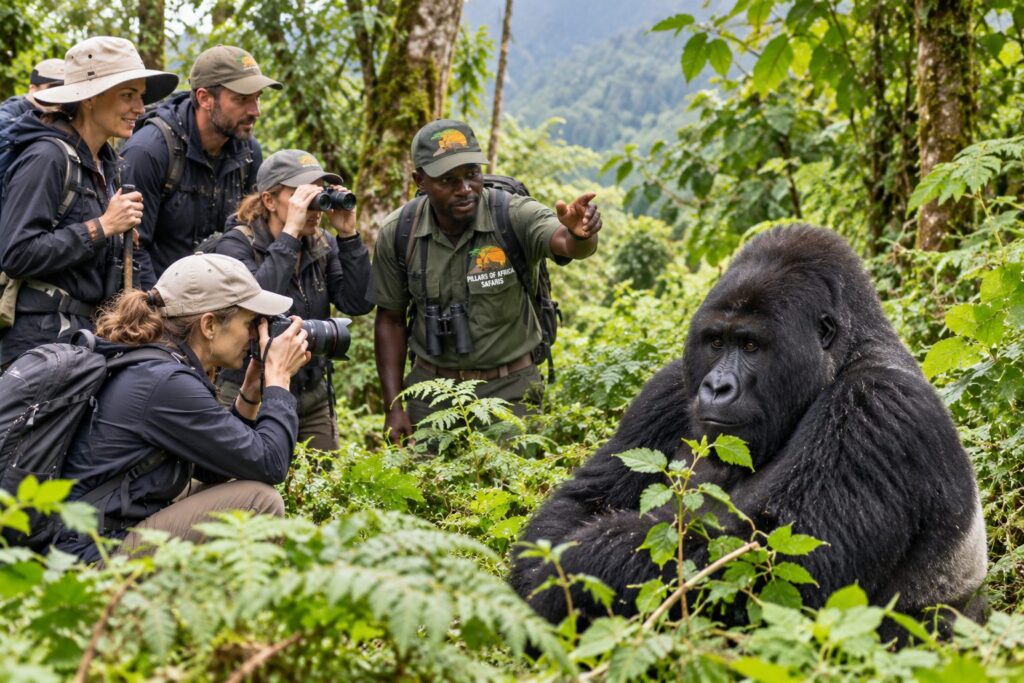
Nkuringo is generally considered one of Bwindi’s more physically demanding trekking areas because of its steep slopes. However, that does not mean every trek is exceptionally hard. The effort depends on where the gorillas are found, the route taken, recent weather and your own fitness.
A shorter walk can still involve a tough climb. Equally, a longer trek may include pauses that make the effort more manageable. Distance alone is not a reliable guide to difficulty.
Think of the experience as a forest hike rather than a walk along a maintained sightseeing trail. You may need to step over roots, negotiate slippery ground and move carefully through vegetation. Rangers guide the group, but you still need to manage your footing and stamina.
What makes the terrain challenging?
Steep descents and uphill returns
Many Nkuringo treks involve descending into the forest and climbing back afterwards. The descent can put pressure on knees, while the return requires sustained effort when you may already be tired.
Do not judge the day only by how comfortable you feel at the start. Save energy, take manageable steps and tell your guide if the pace is becoming difficult.
Mud, roots and uneven ground
Forest paths can be muddy after rain. Exposed roots, loose ground and sloping sections require concentration, particularly when descending. Some parts of the route may pass through thick vegetation rather than along a clear path.
Boots with reliable grip help, but they do not remove the need to move slowly. A walking stick can provide an extra point of support on awkward sections.
Humidity and changing weather
Climbing in humid conditions can feel harder than walking the same distance at home. Rain may also arrive during the trek, even when the day begins dry. Carry accessible waterproof clothing and enough drinking water for the outing, following your guide’s advice.
How long does a Nkuringo gorilla trek take?
Expect several hours of walking, with the possibility of a much longer day. There is no dependable duration for an individual trek because gorillas move and the route to them changes.
Separate the walking time from the time spent observing the gorillas. The full activity also includes the briefing, any movement to the walking start point and the return journey. A short encounter distance does not necessarily mean an easy return.
Avoid scheduling a tight onward connection immediately after trekking. Keep the rest of the day flexible, especially if your next journey involves a long road transfer.
| Factor | Effect on difficulty or time | How to prepare |
|---|---|---|
| Gorilla location | The walking distance and route vary from day to day. | Allow a flexible schedule rather than expecting a fixed finish time. |
| Steep slopes | Descents challenge balance; climbs demand stamina. | Practise both uphill and downhill walking. |
| Recent rain | Mud can slow progress and make footing less secure. | Wear grippy boots and carry waterproof clothing. |
| Uneven forest ground | Roots and vegetation can require careful steps. | Consider a walking stick and discuss porter support. |
| Personal fitness | Your usual activity level affects how demanding the walk feels. | Build walking endurance before travelling. |
How fit do you need to be?
You do not need specialist climbing skills, but regular walking fitness is useful. Being comfortable on a flat pavement is not the same as being comfortable on a muddy hillside. The most relevant preparation is walking over varied ground, including sustained climbs and controlled descents.
If you are normally inactive, start preparing well before departure. Increase your walking gradually rather than attempting a difficult hike just before your trip.
- Walk regularly: build towards longer outings at a pace you can maintain.
- Include hills or stairs: practise climbing without rushing and descending with control.
- Wear your trekking boots: check their fit and break them in before travelling.
- Carry a light daypack: get used to walking with your water and rain layer.
- Practise on uneven ground: this helps you assess your balance and confidence.
If you have a heart or lung condition, significant knee pain, balance difficulties or another relevant health concern, seek medical advice before booking. Describe the steep, potentially slippery terrain rather than asking only whether you can manage a walk.
Can a porter make the trek easier?
A porter can reduce the load you carry and may offer assistance on difficult sections. This can be helpful if carrying a bag affects your balance or leaves you tired more quickly.
Ask your operator about porter arrangements and current charges before the trek. Discuss what assistance you need rather than assuming every form of support will be available.
Porter support does not make a steep route flat or guarantee that the trek will be suitable for you. If you have limited mobility, raise this during planning so the practical options can be checked in advance.
When are walking conditions easier?
The generally drier periods, commonly June to August and December to February, can offer less muddy walking conditions. However, Bwindi is a rainforest, and rain is possible throughout the year. A dry-season booking does not guarantee dry paths.
Wetter periods can make slopes more slippery and slow the group’s progress. They do not necessarily mean that the gorillas will be farther away. Weather and gorilla location affect different parts of the experience.
Choose dates around your wider itinerary and tolerance for wet conditions, not a promise of an easy trek.
What should you wear and carry?
Prioritise grip, weather protection and comfort. Keep your bag manageable and put essential items where you can reach them without unpacking everything.
- Broken-in walking boots with good tread.
- Long trousers and a comfortable long-sleeved layer for vegetation.
- A lightweight waterproof jacket and protection for your bag.
- Drinking water and food as advised by your operator.
- Any necessary personal medication.
- A walking stick, with availability checked in advance.
- A camera or phone protected against rain.
Follow the ranger’s instructions on photography and behaviour near the gorillas. Put your camera away on difficult ground so that you can concentrate on walking safely.
Booking and travel planning
Confirm that your gorilla trekking permit is for Nkuringo and arrange accommodation and transport around that sector. Bwindi has several trekking sectors, and a booking elsewhere should not be treated as interchangeable.
Road journeys in southwestern Uganda can be winding, and rain may affect access conditions. Ask your operator for a transfer estimate based on your actual starting point, accommodation and travel dates rather than relying on a general driving time.
Before paying, confirm current permit availability, fees, age requirements, health guidance and cancellation terms with the Uganda Wildlife Authority or your booking operator. Share fitness concerns early, but do not assume a shorter route or a particular gorilla group can be guaranteed.
For wider planning, explore our gorilla trekking guide and Uganda safaris.
Frequently asked questions
Is Nkuringo too difficult for a first-time trekker?
Not necessarily. A first-time trekker with reasonable fitness may manage well. Your ability to cope with hills, uneven ground and several hours outdoors matters more than previous gorilla trekking experience.
Can I request an easier trek?
Explain your needs to your operator before travelling and again at the briefing. Staff can consider your concerns, but gorilla movements and conditions mean an easy or short route cannot be guaranteed.
Is Nkuringo suitable for older travellers?
Age alone does not determine suitability. Fitness, balance, joint health and comfort on steep terrain are more useful considerations. Check current participation requirements and discuss any support needs before booking.
Does rain cancel the trek?
Rain alone does not necessarily stop trekking, but it can make walking harder. Rangers assess conditions and direct the activity. Follow their instructions and avoid assuming that your preferred schedule will override safety decisions.
What is the most important preparation?
Practise walking uphill and downhill in the boots you will use. Combine that preparation with a flexible schedule and an honest discussion of your fitness before booking.