
Kibale Forest Walks Beyond Chimpanzee Trekking
Kibale forest walks offer a way to explore the forest without making chimpanzees the main goal. A guided nature walk gives you time to notice trees, birds, insects and other forest life. Nearby Bigodi wetland offers a different setting and can complement a visit to Kibale National Park.
The important planning distinction is that chimpanzee trekking, other park walks and community-run activities are not interchangeable. Before booking, confirm exactly which activity is included, where it starts and whether it requires a separate payment. Choose your walk around your interests and walking ability, rather than treating every forest outing as a version of chimpanzee trekking.
What can you do beyond chimpanzee trekking?
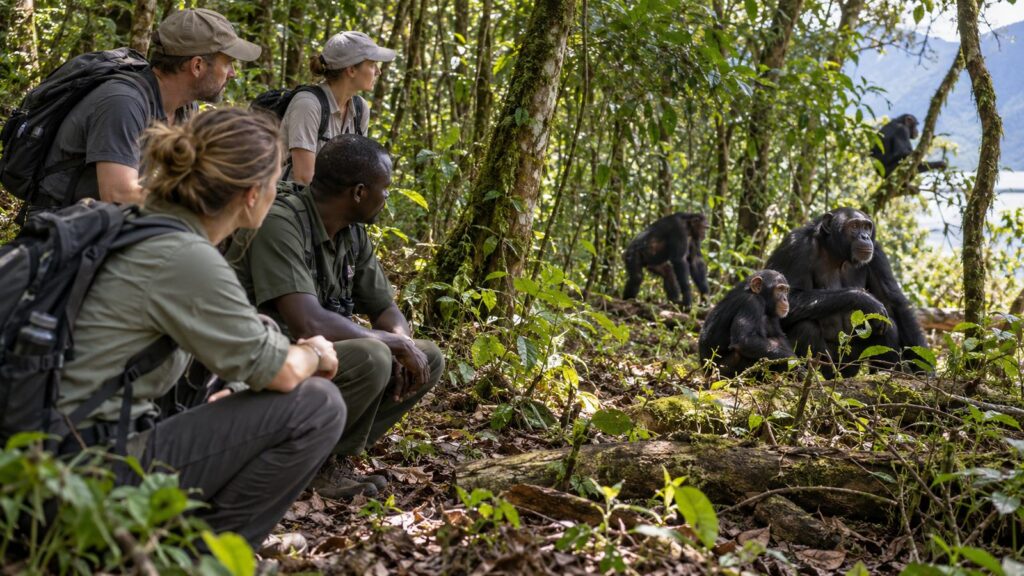
Chimpanzee trekking has a specific purpose: searching for chimpanzees with a guide and following the rules for that encounter. A general nature walk has a broader focus. Instead of concentrating on one animal, you can spend more time looking at the forest itself.
Ask about guided nature walks when arranging your visit to Kibale. The route, duration and activities available should be confirmed with the Uganda Wildlife Authority or your booking provider. Do not assume that any trail is open for independent walking.
Guided forest walks
A guided walk can suit travellers interested in plants, bird calls, forest habitats and smaller wildlife. Tell your guide what you hope to learn about. Someone interested in birds may want frequent listening stops, while a visitor interested in trees may prefer more time discussing the vegetation.
Wildlife sightings are never guaranteed. Dense leaves can hide animals even when they are nearby, and identifying a distant bird may depend more on its call than a clear view. Enjoying the forest as a whole makes the walk rewarding without relying on a particular sighting.
Bigodi wetland walks
Bigodi Wetland Sanctuary is outside Kibale National Park and is known for guided wetland walks and birdwatching. It is a separate activity, so check its meeting point, guide arrangements and charges directly with the organiser.
A wetland walk adds a different habitat to a forest-focused trip. However, do not assume it will be easier underfoot. Ask about the current route, muddy sections and any boardwalks or uneven surfaces, especially if you have mobility concerns.
Evening or night activities
If you are interested in nocturnal wildlife, ask whether a guided night walk is currently offered during your visit. Confirm its location, starting time, equipment requirements and booking arrangements before including it in your itinerary.
Night activities need their own expectations. Visibility is limited, photography can be difficult, and seeing a particular animal cannot be promised. Follow the guide’s instructions on lighting and wildlife disturbance.
Choose a walk that matches your interests
Before choosing an activity, decide whether your priority is learning about the forest, looking for birds or spending time in a different habitat. This helps the organiser recommend a suitable option.
- For forest ecology: ask for a nature walk with time to discuss trees, plants and forest habitats.
- For birdwatching: explain your interest when booking and ask about suitable guiding and departure times.
- For a varied itinerary: consider a nearby wetland walk rather than scheduling only forest activities.
- For a gentler outing: ask about the actual terrain and duration instead of relying on labels such as “easy”.
If you also plan to track chimpanzees, read the chimpanzee trekking guide and keep the booking requirements for each activity separate.
When to plan Kibale forest walks
Kibale can be wet throughout the year. Uganda’s generally drier periods, often around December to February and June to August, may offer more comfortable walking conditions, but rain is still possible.
Wetter periods can mean slippery ground and more demanding walking. Carry rain protection whatever month you visit, and ask about current trail conditions shortly before your activity.
For bird-focused walks, discuss timing with the guide rather than choosing a departure solely for convenience. Also leave room in your schedule for weather-related changes. A tightly packed day can turn a relaxed nature walk into a rushed transfer between activities.
Getting there and arranging your stay
Fort Portal is a useful reference point when planning travel to the Kibale area. Kanyanchu is a key visitor location for park activities, but your exact meeting point depends on what you book. Bigodi has separate activity arrangements.
If travelling from Kampala or Entebbe, allow a substantial part of the day for the road journey. Your actual transfer time will depend on your starting point, traffic, stops, road conditions and accommodation location. Ask your driver or operator for a realistic estimate rather than relying only on a map application.
When choosing accommodation, check the journey to your activity meeting point. A property described as being near Kibale is not necessarily within walking distance of your departure point. For a wider itinerary, browse the Uganda safari options and allow enough time between destinations.
Booking, fees and activity rules
Confirm current park activity details with the Uganda Wildlife Authority and community activity details with the relevant organiser. Fees, departure arrangements and access rules can change, so request a current breakdown before paying.
Useful questions include:
- What is the exact activity name and meeting point?
- Is guiding included, and is park entry charged separately?
- How long is the walk, and what terrain should I expect?
- Are there age restrictions or other participation requirements?
- What happens if heavy rain affects the activity?
- Is transport to and from the meeting point included?
Do not assume that a chimpanzee trekking booking includes other walks, or that paying for a community activity gives access to park trails. Keep your booking confirmation available and follow the guide’s safety instructions throughout.
What to wear and carry
Dress for wet vegetation, changing weather and uneven ground. Footwear with good grip matters more than carrying a large amount of equipment.
- Wear comfortable walking shoes or boots with reliable traction.
- Choose long trousers and a lightweight, long-sleeved top.
- Carry a waterproof layer and protect your phone or camera from rain.
- Bring drinking water and ask whether food is appropriate for your activity.
- Pack insect repellent and any personal medication.
- Bring binoculars if birds or distant wildlife are a priority.
For photography, expect low light beneath the canopy and subjects partly hidden by vegetation. Ask before using flash around wildlife, and avoid blocking the trail while taking pictures. Never leave the group or move closer to an animal for a photograph.
Frequently asked questions
Can I see chimpanzees on a general forest walk?
A general nature walk is not a substitute for a booked chimpanzee trekking activity. Do not choose it expecting a chimpanzee encounter; book the appropriate activity if that is your main goal.
Can I walk independently inside Kibale National Park?
Do not assume independent trail access is permitted. Confirm authorised routes and guiding requirements with the Uganda Wildlife Authority before setting out.
Are forest walks suitable for children?
Suitability depends on the activity’s rules, duration, terrain and the child’s ability. Confirm any age restrictions and explain your family’s needs before booking.
Can I combine a forest walk with Bigodi?
They can form part of the same Kibale-area stay. Whether they fit comfortably into one day depends on confirmed timings, transfer arrangements and how much walking you want to do.
How much time should I allow?
Ask for the expected duration of your chosen walk, then add time for check-in, transfers and changing out of wet clothing. Avoid scheduling an onward journey immediately after an activity with an uncertain finishing time.