
Why Did UNESCO Designate Ngorongoro as a Heritage Site?
The Ngorongoro Conservation Area in Tanzania is one of Africa’s most breathtaking natural wonders, a place where wildlife roams freely across vast plains, where ancient cultures thrive, and where the earth tells a story millions of years in the making. But what makes this region so special that UNESCO designate Ngorongoro as a heritage site? The answer lies in its unparalleled ecological significance, rich cultural heritage, and unique coexistence of humans and wildlife.
This article explores the reasons behind this prestigious designation, delving into the geological marvels, biodiversity, and cultural traditions that make Ngorongoro a global treasure. By understanding why UNESCO designate Ngorongoro as a heritage site, we gain a deeper appreciation for conservation efforts and the delicate balance between nature and humanity.
1. A Geological Wonder: The Ngorongoro Crater
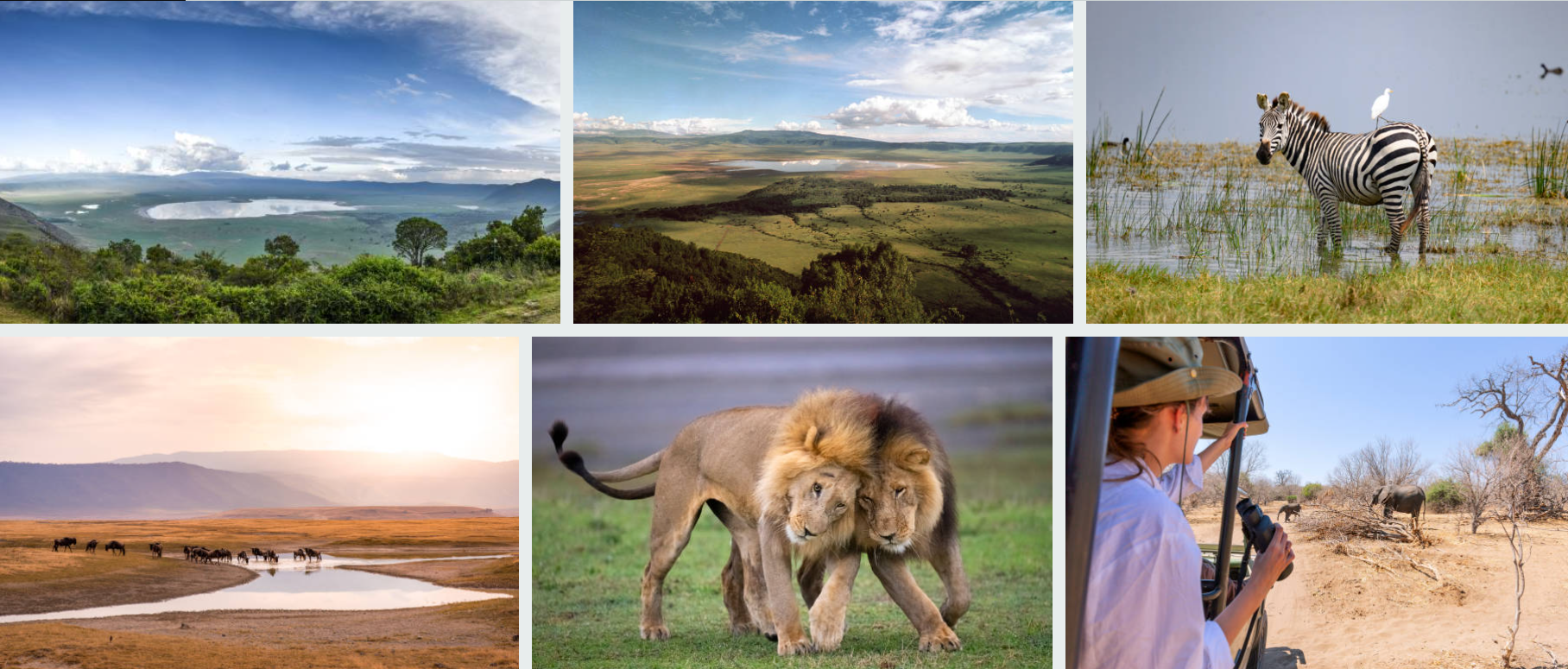
One of the primary reasons UNESCO designate Ngorongoro as a heritage site is its extraordinary geological formation. The Ngorongoro Crater, the world’s largest inactive, intact, and unfilled volcanic caldera, was formed over two million years ago when a massive volcano collapsed inward after a catastrophic eruption. Today, this natural amphitheater spans approximately 260 square kilometers, with walls rising 600 meters high, creating a self-contained ecosystem unlike any other on Earth.
The crater’s fertile floor supports a thriving population of wildlife, including lions, elephants, rhinos, and wildebeests, making it one of the most concentrated areas of large mammals in Africa. The presence of a permanent water source, Lake Magadi, further enhances its ability to sustain life year-round. This geological masterpiece is a living laboratory for scientists studying evolution, ecology, and climate change—another key reason UNESCO designate Ngorongoro as a heritage site.
2. A Biodiversity Hotspot
When UNESCO designate Ngorongoro as a heritage site in 1979, it recognized the area’s exceptional biodiversity. The conservation area spans approximately 8,292 square kilometers, encompassing grasslands, forests, lakes, and highland plains. This diverse landscape provides habitats for over 25,000 large animals, including some of the most endangered species on the planet.
Key Wildlife Species in Ngorongoro
-
The Big Five: Lion, leopard, rhinoceros, elephant, and buffalo all thrive here.
-
Endangered Black Rhinos: Ngorongoro is one of the last strongholds for these critically endangered animals.
-
Great Migration: While the Serengeti is famous for the wildebeest migration, Ngorongoro serves as a crucial part of this annual cycle.
-
Birdlife: Over 500 bird species, including flamingos, eagles, and ostriches, make this a paradise for ornithologists.
The delicate balance of predator and prey, herbivores and carnivores, creates a self-regulating ecosystem that has remained largely unchanged for centuries. This ecological integrity is a fundamental reason UNESCO designate Ngorongoro as a heritage site, ensuring its protection for future generations.
3. The Unique Coexistence of Humans and Wildlife
Unlike many other protected areas, Ngorongoro is not just a wildlife sanctuary—it is also home to the Maasai people, who have lived in harmony with nature for centuries. When UNESCO designate Ngorongoro as a heritage site, it acknowledged this rare example of sustainable human-wildlife coexistence.
The Maasai are pastoralists who graze their cattle alongside zebras and antelopes, following traditional land-use practices that minimize environmental disruption. Their deep cultural connection to the land, combined with modern conservation efforts, makes Ngorongoro a model for community-based conservation.
However, this balance is fragile. Increasing human populations and tourism pressures pose challenges, which is why UNESCO designate Ngorongoro as a heritage site—to promote policies that protect both indigenous rights and wildlife preservation.
4. A Cradle of Human Evolution
Beyond its natural wonders, Ngorongoro holds profound significance in human history. The Olduvai Gorge, often called the “Cradle of Mankind,” lies within the conservation area. Here, archaeologists Louis and Mary Leakey discovered some of the earliest human fossils, including those of Homo habilis and Australopithecus, dating back nearly two million years.
These discoveries provide critical insights into human evolution, making Ngorongoro a vital site for paleoanthropology. Recognizing this, UNESCO designate Ngorongoro as a heritage site to preserve this invaluable link to our ancestral past.
5. A Global Model for Conservation and Sustainable Tourism
Tourism is a double-edged sword—it brings economic benefits but can also harm ecosystems if unregulated. One reason UNESCO designate Ngorongoro as a heritage site is to ensure that tourism is managed sustainably.
Strict regulations limit vehicle numbers, control lodge constructions, and enforce ethical wildlife viewing practices. Revenue from tourism supports local communities and funds anti-poaching efforts, creating a cycle of conservation and economic growth.
By setting global standards for responsible tourism, Ngorongoro demonstrates how humanity can benefit from nature without destroying it—an inspiring lesson for conservationists worldwide.
6. Threats and the Need for Continued Protection
Despite its protected status, Ngorongoro faces challenges:
-
Climate Change: Droughts and shifting weather patterns threaten water sources.
-
Human-Wildlife Conflict: As populations grow, competition for land increases.
-
Poaching: Illegal hunting remains a persistent threat to endangered species.
The decision to UNESCO designate Ngorongoro as a heritage site was not just an honor but a call to action. It reminds us that protecting such treasures requires constant vigilance, innovation, and global cooperation.
A Legacy for Future Generations
When UNESCO designate Ngorongoro as a heritage site, it was a recognition of more than just a beautiful landscape—it was an acknowledgment of a living, breathing testament to nature’s resilience and humanity’s potential to coexist with it.
Ngorongoro teaches us that conservation is not about locking nature away but about finding harmony between progress and preservation. It inspires us to protect our planet’s wonders, not just for their ecological value but for the stories they tell and the lessons they impart.
As we reflect on why UNESCO designate Ngorongoro as a heritage site, let us also commit to being stewards of this extraordinary legacy—ensuring that future generations can witness the majesty of the crater, the wisdom of the Maasai, and the untamed beauty of Africa’s wild heart.
The world is richer because of Ngorongoro. Let’s keep it that way.
