
Where to See Wildlife in Rwanda?
Where to See Wildlife in Rwanda? Rwanda, often referred to as the “Land of a Thousand Hills,” is a country that stirs the soul with its lush greenery, stunning landscapes, and deeply inspiring story of resilience. Nestled in the heart of East Africa, this small yet dynamic nation has emerged from a harrowing past to become one of the most beautiful and safe destinations on the continent. One of Rwanda’s most captivating offerings is its rich and diverse wildlife. Whether you are a seasoned adventurer, a wildlife enthusiast, or someone seeking a transformative travel experience, See Wildlife Rwanda should be high on your list. This article will take you on a motivational journey through Rwanda’s most extraordinary places to witness its thriving wildlife, and why doing so will change your life.
A Journey Beyond the Ordinary
Wildlife tourism in Rwanda isn’t just about seeing animals. It’s about witnessing survival—of species, of ecosystems, and of a nation. To See Wildlife in Rwanda is to engage with nature and history in ways that challenge your perspectives and fuel your appreciation for life. Rwanda offers a rare opportunity to not only encounter exotic species but to do so within the context of conservation and community empowerment.
Let’s explore the top places where you can experience this magic.
1. Volcanoes National Park: The Realm of the Mountain Gorillas
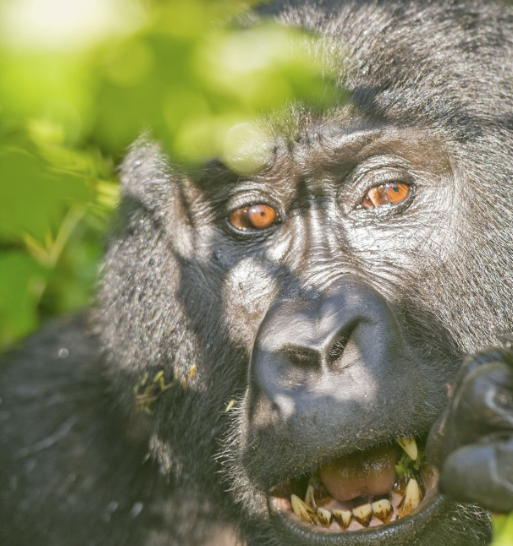
If there’s one iconic experience Rwanda is known for, it’s the unforgettable trek to see the endangered mountain gorillas in Volcanoes National Park. Located in the northwestern part of the country, this park is part of the Virunga Mountain range and home to roughly one-third of the world’s remaining mountain gorilla population.
Tracking gorillas through the misty jungle is a profoundly emotional and humbling experience. You trek through dense bamboo forests, up steep hills, guided by skilled trackers who know each gorilla family by name. And then, you meet them. Gentle giants in their natural habitat, going about their daily routines with astonishing familiarity. Watching a silverback interact with its family or a baby gorilla swing playfully from branch to branch is life-changing.
Volcanoes National Park is not just about gorillas. It also shelters golden monkeys, forest elephants, and various bird species, making it a biodiversity hotspot. But it’s the story of survival—both of the animals and the country—that lingers in your heart.
2. Akagera National Park: Rwanda’s Big Five Safari Destination
Located in the east of Rwanda, Akagera National Park is a shining example of successful conservation. Once devastated by poaching and habitat loss, Akagera has undergone a dramatic revival thanks to dedicated conservation efforts, including those by African Parks in collaboration with the Rwandan government. Today, it proudly hosts all of Africa’s “Big Five”: lions, leopards, elephants, buffaloes, and rhinos.
The park’s varied terrain—ranging from savannah to swamps and lakes—offers a classic African safari experience, right in Rwanda. Game drives and boat safaris on Lake Ihema provide incredible opportunities to See Wildlife in Rwanda, like zebras, giraffes, hippos, crocodiles, antelopes, and a wide variety of birds.
Akagera’s transformation is not just about animals. It’s a testament to Rwanda’s commitment to sustainability, community involvement, and responsible tourism. Visiting Akagera is not only thrilling but also deeply encouraging; it’s a story of hope reborn.
3. Nyungwe Forest National Park: Primates and Biodiversity Wonderland
In the southwestern region of Rwanda lies Nyungwe Forest National Park, one of the oldest rainforests in Africa. Rich in biodiversity and breathtaking beauty, Nyungwe is home to over 1,000 plant species, hundreds of birds, and 13 species of primates, including chimpanzees.
Chimpanzee trekking in Nyungwe is an exhilarating experience. You’ll start at dawn, journeying deep into the forest, guided by expert trackers. When you finally hear their high-pitched calls or catch a glimpse of them swinging overhead, the adrenaline and wonder are overwhelming. Nyungwe is also home to colobus monkeys, L’Hoest’s monkeys, and owl-faced monkeys—rare species you’re unlikely to find elsewhere.
One of Nyungwe’s most remarkable features is the Canopy Walkway—a 90-meter-long suspension bridge hanging 50 meters above the forest floor. It offers a bird’s-eye view of this green paradise and adds an adventurous twist to your wildlife experience.
4. Gishwati-Mukura National Park: Rwanda’s Newest Gem
Officially designated a national park in 2015, Gishwati-Mukura is Rwanda’s newest and perhaps most underrated wildlife destination. Though smaller than its counterparts, this park is crucial for conservation, acting as a corridor for biodiversity between Nyungwe and Volcanoes National Parks.
The park is home to eastern chimpanzees, golden monkeys, and L’Hoest’s monkeys. It also supports over 60 species of trees and 230 bird species, including the Albertine Rift endemics. Gishwati-Mukura represents a new era of eco-tourism and environmental awareness in Rwanda.
Visiting this park offers a more intimate experience and a chance to witness conservation in its early stages. It’s ideal for travelers who seek meaningful engagement and prefer the road less traveled.
Why See Wildlife in Rwanda Should Be On Your Bucket List
-
Unparalleled Conservation Success: Rwanda is a beacon of hope for conservation in Africa. The country’s ability to protect and restore its natural heritage is nothing short of inspiring. When you See Wildlife in Rwanda, you’re supporting sustainable tourism and helping to fund conservation and local communities.
-
Safety and Accessibility: Rwanda is one of the safest and cleanest countries in Africa. Its efficient infrastructure, excellent roads, and welcoming people make it an ideal destination for solo travelers, families, and even first-time visitors to Africa.
-
Emotional Connection: Seeing wildlife in Rwanda is a soulful experience. Whether it’s locking eyes with a mountain gorilla, listening to the morning calls of chimpanzees, or watching a herd of elephants roam the savannah, these moments create emotional imprints that last a lifetime.
-
Cultural and Historical Depth: Rwanda offers more than just wildlife. A visit to the Genocide Memorial in Kigali, local craft markets, and community-led tourism initiatives gives you a well-rounded view of a nation that has turned pain into power.
-
Eco-Tourism and Responsible Travel: Rwanda emphasizes low-impact, high-value tourism. Permits and park fees might seem high, but they ensure the preservation of natural resources and provide tangible benefits to local populations.
A Call to Adventure and Awareness
In a world increasingly disconnected from nature, Rwanda offers a chance to reconnect—with the earth, with wildlife, and with ourselves. Choosing to See Wildlife in Rwanda is not just about ticking off a travel list. It’s about engaging in a deeper narrative of resilience, respect, and renewal.
Rwanda’s story teaches us that it’s possible to rise from darkness and become a light for others. Its national parks are not just habitats—they’re sanctuaries of hope. Its people are not just hosts—they’re ambassadors of change. And its wildlife is not just a spectacle—they’re symbols of what’s possible when humanity and nature work in harmony.
So, where to see wildlife in Rwanda? The answer is everywhere—from the misty mountains of Volcanoes National Park to the tranquil shores of Akagera, from the deep canopies of Nyungwe to the budding paths of Gishwati-Mukura. Each destination offers its own unique window into the wild, and together they form a mosaic of natural beauty and human spirit.
If you are looking for a travel experience that moves you, educates you, and fills your soul with wonder, then See Wildlife Rwanda should be your next great adventure. Let Rwanda teach you how to appreciate the fragile beauty of the world and how powerful it is when a country chooses to protect what truly matters.
Are you ready to witness it?
