
How Safe is Queen Elizabeth National Park? A Journey Through Uganda’s Wildlife Paradise
Nestled in the heart of Uganda, Queen Elizabeth National Park stands as one of Africa’s most breathtaking wildlife sanctuaries. With its sprawling savannas, dense forests, and shimmering lakes, the park is a haven for adventure seekers and nature lovers alike. But as with any travel destination, safety is a top concern for visitors. How safe is Queen Elizabeth National Park? The answer lies in understanding its security measures, wildlife encounters, health precautions, and the warmth of its local communities.
This article explores the safety of Queen Elizabeth National Park, offering insights and inspiration for those ready to embark on an unforgettable African safari. Whether you’re a solo traveler, a family, or an adventure group, knowing what to expect will help you enjoy this natural wonder with confidence and peace of mind.
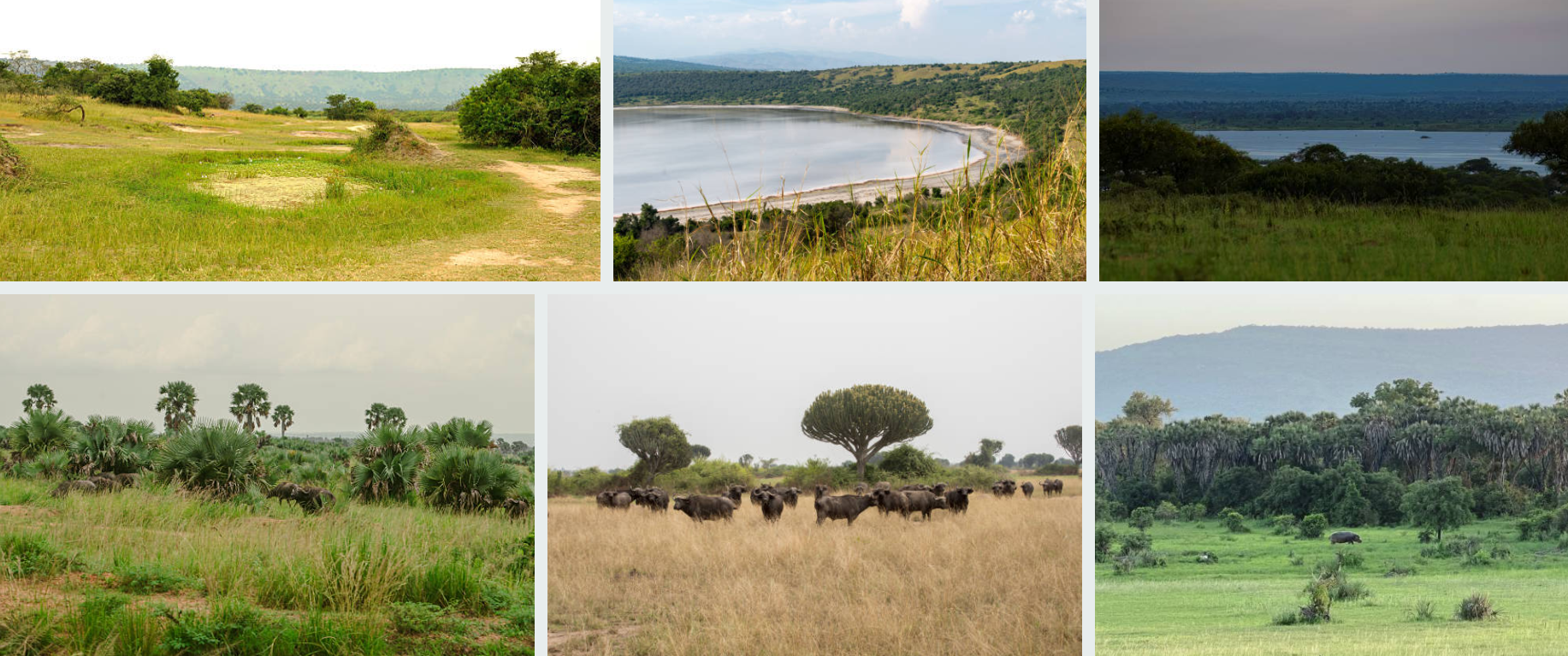
1. Security and Crime: A Well-Protected Wilderness
One of the first concerns for travelers is crime. Fortunately, Queen Elizabeth National Park is considered one of Uganda’s safest national parks. The Ugandan government, along with park authorities, has implemented strong security measures to protect tourists.
-
Park Rangers and Uganda Wildlife Authority (UWA): The park is patrolled by highly trained rangers who ensure the safety of both wildlife and visitors. They monitor poaching activities and provide emergency assistance when needed.
-
Tourist Police: Uganda has a dedicated tourist police force that operates in major parks, including Queen Elizabeth National Park. Their presence deters petty crimes and ensures quick response to any incidents.
-
Local Community Involvement: The surrounding communities benefit from tourism, creating a mutual interest in keeping visitors safe. Locals often act as guides, lodge staff, and conservation partners, fostering a welcoming environment.
While incidents are rare, basic travel precautions—such as not leaving valuables unattended and following guide instructions—will further enhance your safety.
2. Wildlife Encounters: Respecting Nature’s Boundaries
The thrill of seeing lions, elephants, and hippos in their natural habitat is unmatched. However, wild animals are unpredictable, and safety depends on respecting their space.
-
Guided Safaris: Always explore the park with experienced guides. They understand animal behavior and know how to maintain a safe distance. Self-driving is allowed but not recommended for first-time visitors.
-
Avoid Night Walks: Nocturnal animals, including predators, are active at night. Stick to daytime game drives or supervised night safaris with armed rangers.
-
Boat Safaris on Kazinga Channel: This is one of the safest and most rewarding experiences in Queen Elizabeth National Park. Hippos and crocodiles are visible from a safe distance on the boat, offering incredible photo opportunities without risk.
By following park rules and guide instructions, wildlife encounters remain thrilling yet secure.
3. Health and Medical Safety: Staying Well in the Wild
Health safety is another crucial aspect of visiting Queen Elizabeth National Park. Uganda has made significant strides in healthcare, but precautions are necessary.
-
Malaria Prevention: The park is in a malaria zone. Use insect repellent, sleep under mosquito nets, and take antimalarial medication as prescribed by your doctor.
-
Vaccinations: Ensure you have yellow fever, typhoid, and hepatitis A/B vaccinations before traveling. COVID-19 protocols may also apply, so check current guidelines.
-
First Aid and Nearby Hospitals: Most lodges have first aid kits, and larger facilities like the Kasese district hospital are within reach for emergencies.
Staying hydrated, using sunscreen, and carrying a basic medical kit will keep minor issues from becoming major problems.
4. Road and Transportation Safety: Navigating Uganda’s Terrain
Getting to Queen Elizabeth National Park involves road travel, which can be an adventure in itself.
-
Road Conditions: Some routes are smooth, while others are rough and dusty. A 4×4 vehicle is ideal for navigating the park’s terrain.
-
Professional Drivers: Hiring a trusted tour operator ensures you have a skilled driver familiar with Ugandan roads.
-
Avoid Night Travel: Road conditions and occasional wildlife crossings make daytime travel safer.
Patience and preparation make the journey part of the experience rather than a hassle.
5. Political and Social Stability: Uganda’s Commitment to Tourism
Uganda has enjoyed relative political stability in recent years, and tourism is a priority for the government. Queen Elizabeth National Park is a key contributor to the economy, meaning authorities work hard to keep it safe for visitors.
-
Low Terrorism Risk: While Uganda has faced threats in the past, national parks are not typical targets. Security forces remain vigilant.
-
Friendly Locals: Ugandans are known for their hospitality. Engaging respectfully with communities enhances safety and enriches your experience.
6. Environmental Safety: Adapting to Nature’s Challenges
Nature itself can pose challenges, but awareness ensures a smooth trip.
-
Weather Conditions: Dry seasons (June-August & December-February) offer the best wildlife viewing and easier travel. Rainy seasons can make roads muddy but bring lush landscapes.
-
Earthquake Preparedness: The park lies in the Albertine Rift Valley, a seismic zone. While quakes are rare and usually mild, lodges are built to withstand minor tremors.
Embrace the Adventure with Confidence
So, how safe is Queen Elizabeth National Park? The answer is clear: with proper planning, awareness, and respect for nature, it is a remarkably secure destination. Thousands of visitors each year leave with unforgettable memories—of lion prides lounging in fig trees, elephants wandering the plains, and the serene beauty of the Kazinga Channel at sunset.
Safety is not just about avoiding risks; it’s about embracing the wild with wisdom. Queen Elizabeth National Park offers a rare chance to connect with Africa’s untamed beauty while feeling protected by dedicated professionals and welcoming communities.
If you’ve been dreaming of an African safari, let go of fear and step into adventure. The wild is waiting—and it’s safer than you think.
Pack your bags, follow the rules, and let Queen Elizabeth National Park inspire your greatest adventure yet.
