
Kilimanjaro Tanzania safari tour planning works best when the route feels realistic from the first day to the last. This 7 days journey is built around Moshi, Kilimanjaro foothills, Tarangire, Ngorongoro, Lake Manyara, giving your group enough time to watch wildlife, travel between regions and settle into each stop without turning every day into a race. Pillars of Africa Safaris uses this itinerary as a strong starting point for travellers who want scenic and wildlife group journey with a local guide, practical 4×4 transport and accommodation chosen around the route rather than around long detours.
Tour Overview and Route Logic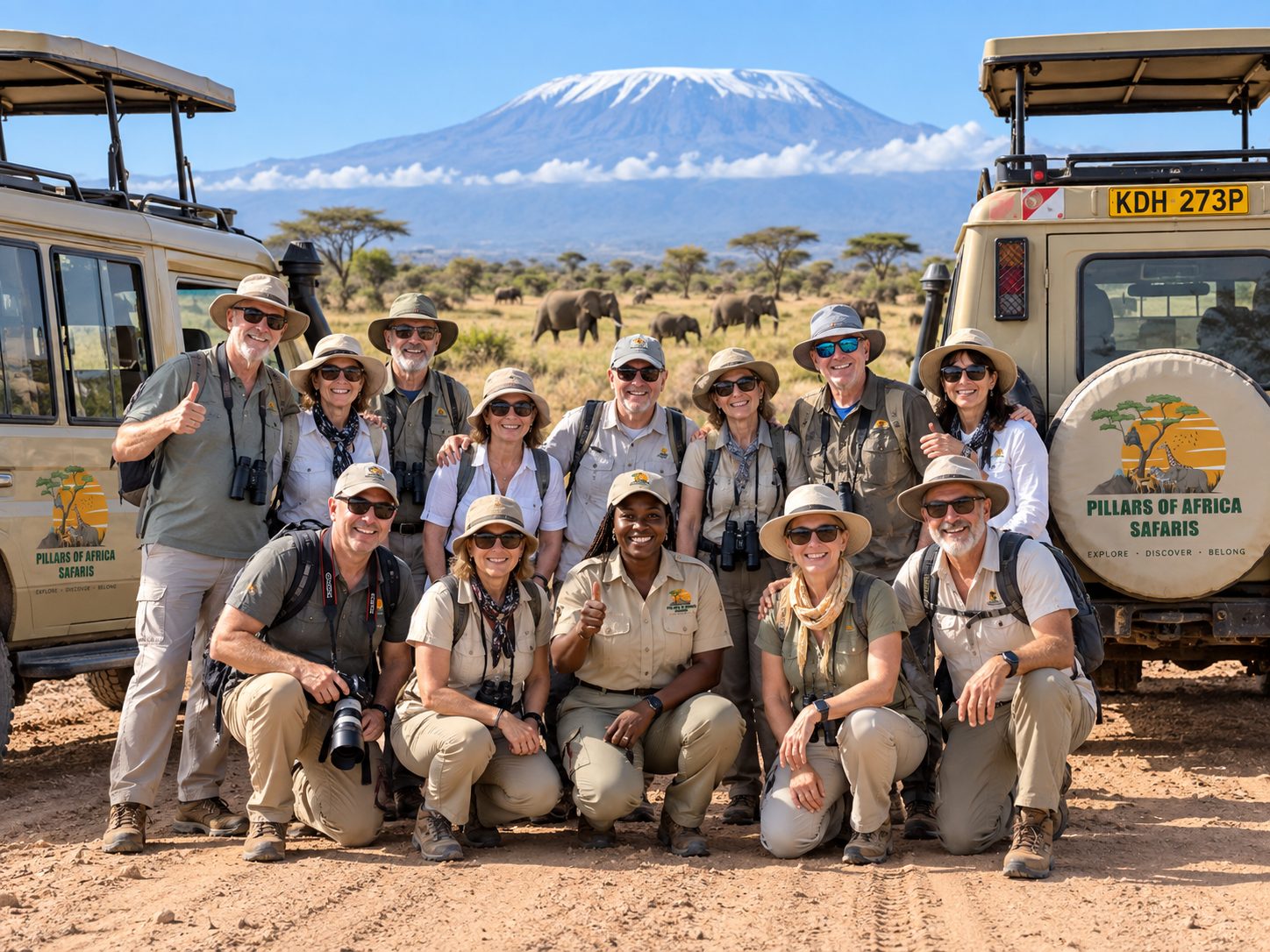
Photography works best when the group agrees on basic expectations. Some travellers want long pauses at one sighting, while others prefer to cover more ground. A guide can balance those preferences by checking with the group and explaining what may be possible later in the day. Around Moshi, Kilimanjaro foothills, Tarangire, Ngorongoro, Lake Manyara, the most rewarding moments are often unscheduled, so patience can be more useful than trying to collect a fixed checklist of animals or viewpoints. When you compare options, focus on what is included in the daily operation rather than the headline itinerary alone. Ask about the vehicle type, number of travellers per vehicle, guiding arrangement, park entry logistics, drinking water, meals, luggage limits and transfer method. Clear answers make it easier to compare two trips that may look similar online but provide very different levels of comfort and support once the safari begins. Seasonality is also worth discussing before confirming tour route and pacing. Clearer mountain views are common in drier periods. That guidance does not mean other months should be ignored. Different periods can bring greener scenery, fewer vehicles, different birdlife, young animals or a change in road conditions. The right choice depends on whether your group values dry-weather convenience, photography, migration movement, primates, scenery or a quieter atmosphere.
| Planning point | Practical detail |
|---|---|
| Duration | 7 days |
| Countries | Tanzania |
| Main route | Moshi, Kilimanjaro foothills, Tarangire, Ngorongoro, Lake Manyara |
| Travel style | scenic and wildlife group journey |
| Good planning period | Clearer mountain views are common in drier periods |
Day by Day Itinerary
The daily plan below gives the journey a clear structure while leaving the guide enough room to respond to wildlife conditions, road timing and the interests of the group.
| Day | Programme | Group travel focus |
|---|---|---|
| Day 1 | Moshi arrival | wildlife viewing with regular breaks |
| Day 2 | Kilimanjaro foothills and local walk | scenic travel and guide interpretation |
| Day 3 | Drive to Tarangire | flexible game viewing and photography |
| Day 4 | Tarangire game drive | comfortable transfer and shared meals |
| Day 5 | Ngorongoro Crater | arrival, briefing and realistic timing |
| Day 6 | Lake Manyara and Rift Valley | wildlife viewing with regular breaks |
| Day 7 | Arusha departure | scenic travel and guide interpretation |
What Your Group Can Expect
Food, water and rest are simple details, but they shape long safari days. In Tanzania, many itineraries begin early because wildlife and road conditions can be better in the morning. Your group should carry drinking water, sun protection and a light layer for changing temperatures. On longer drives, planned stops help everyone stay comfortable. These routines are not complicated, yet they make the daily safari experience easier for travellers who are new to African safaris. A private group has flexibility that large coach tours rarely offer. You can discuss a later lunch, an earlier departure or a longer wildlife stop with your guide as conditions allow. The goal is not to change the plan every hour, but to keep the itinerary responsive. This is one reason the daily safari experience suits couples travelling together, families, clubs and small groups of friends who want shared experiences without losing all personal choice. The strongest part of 7 Day Kilimanjaro Views and Tanzania Safari is the connection between place and pace. Scenic and wildlife group journey gives the journey its character, but comfort comes from practical choices such as sensible departure times, enough breaks, suitable meals and accommodation located close to the next day’s activity. Groups often enjoy a trip more when the plan includes a little breathing room instead of adding an extra stop simply because it appears nearby on a map.
Safari Vehicles, Guides and Group Size
The strongest part of 7 Day Kilimanjaro Views and Tanzania Safari is the connection between place and pace. Scenic and wildlife group journey gives the journey its character, but comfort comes from practical choices such as sensible departure times, enough breaks, suitable meals and accommodation located close to the next day’s activity. Groups often enjoy a trip more when the plan includes a little breathing room instead of adding an extra stop simply because it appears nearby on a map. Accommodation can change the feel of vehicles and guiding as much as the activity itself. A lodge inside or close to a park may reduce transfer time, while a property farther away may offer a different setting or better value. We normally compare location, room layout, meal arrangements, access roads and the needs of the group before recommending a stay. For private groups, this is especially useful when travellers have different room types or mobility requirements. Responsible travel is part of the planning. That means keeping a respectful distance from wildlife, following park rules, listening to local hosts and avoiding pressure on guides to break regulations for a photograph. When communities are part of the route, visits should be arranged in ways that respect local time and privacy. These standards protect the places your group has travelled to see and create a better experience for hosts and visitors alike.
| Group detail | How we plan it |
|---|---|
| Vehicle seating | Matched to the confirmed group size so travellers have useful viewing space. |
| Guide | A professional local safari guide leads the road journey and daily wildlife programme. |
| Luggage | Soft-sided luggage is normally easier to arrange inside safari vehicles and on regional flights. |
| Stops | Rest, photography and meal stops are planned around the route and park rules. |
Accommodation and Meals
Responsible travel is part of the planning. That means keeping a respectful distance from wildlife, following park rules, listening to local hosts and avoiding pressure on guides to break regulations for a photograph. When communities are part of the route, visits should be arranged in ways that respect local time and privacy. These standards protect the places your group has travelled to see and create a better experience for hosts and visitors alike. For accommodation and meals, the first useful decision is to be clear about what your group wants to spend time doing. Tanzania rewards travellers who allow room for changing conditions rather than fixing every hour in advance. Around Moshi, Kilimanjaro foothills, Tarangire, Ngorongoro, Lake Manyara, road distances, wildlife movement and local weather can affect the day. A good guide reads those conditions and adjusts the order of stops while protecting the important parts of the programme. Pillars of Africa Safaris plans accommodation and meals with group communication in mind. Before the day starts, the guide can explain expected travel time, likely stops, clothing, photography considerations and the approximate return time. This small briefing helps families, friends and mixed-age groups make sensible decisions. It also makes it easier to deal with a late wildlife sighting, a short rain shower or a road delay without creating unnecessary stress.
Best Time to Take This Safari
Accommodation can change the feel of season and timing as much as the activity itself. A lodge inside or close to a park may reduce transfer time, while a property farther away may offer a different setting or better value. We normally compare location, room layout, meal arrangements, access roads and the needs of the group before recommending a stay. For private groups, this is especially useful when travellers have different room types or mobility requirements. Responsible travel is part of the planning. That means keeping a respectful distance from wildlife, following park rules, listening to local hosts and avoiding pressure on guides to break regulations for a photograph. When communities are part of the route, visits should be arranged in ways that respect local time and privacy. These standards protect the places your group has travelled to see and create a better experience for hosts and visitors alike. For season and timing, the first useful decision is to be clear about what your group wants to spend time doing. Tanzania rewards travellers who allow room for changing conditions rather than fixing every hour in advance. Around Moshi, Kilimanjaro foothills, Tarangire, Ngorongoro, Lake Manyara, road distances, wildlife movement and local weather can affect the day. A good guide reads those conditions and adjusts the order of stops while protecting the important parts of the programme.
What to Pack for a Group Safari
Pillars of Africa Safaris plans packing and preparation with group communication in mind. Before the day starts, the guide can explain expected travel time, likely stops, clothing, photography considerations and the approximate return time. This small briefing helps families, friends and mixed-age groups make sensible decisions. It also makes it easier to deal with a late wildlife sighting, a short rain shower or a road delay without creating unnecessary stress. Photography works best when the group agrees on basic expectations. Some travellers want long pauses at one sighting, while others prefer to cover more ground. A guide can balance those preferences by checking with the group and explaining what may be possible later in the day. Around Moshi, Kilimanjaro foothills, Tarangire, Ngorongoro, Lake Manyara, the most rewarding moments are often unscheduled, so patience can be more useful than trying to collect a fixed checklist of animals or viewpoints. When you compare options, focus on what is included in the daily operation rather than the headline itinerary alone. Ask about the vehicle type, number of travellers per vehicle, guiding arrangement, park entry logistics, drinking water, meals, luggage limits and transfer method. Clear answers make it easier to compare two trips that may look similar online but provide very different levels of comfort and support once the safari begins.
What Is Usually Included and Excluded
| Usually included in a planned safari | Common items to budget separately |
|---|---|
| Safari vehicle and local guide | International flights |
| Park and conservation entries listed in the itinerary | Visas and travel insurance |
| Accommodation and listed meals | Optional activities not confirmed in advance |
| Scheduled transfers within the route | Personal purchases, tips and premium drinks |
Planning This Safari with Pillars of Africa Safaris
A private group has flexibility that large coach tours rarely offer. You can discuss a later lunch, an earlier departure or a longer wildlife stop with your guide as conditions allow. The goal is not to change the plan every hour, but to keep the itinerary responsive. This is one reason booking and customisation suits couples travelling together, families, clubs and small groups of friends who want shared experiences without losing all personal choice. The strongest part of 7 Day Kilimanjaro Views and Tanzania Safari is the connection between place and pace. Scenic and wildlife group journey gives the journey its character, but comfort comes from practical choices such as sensible departure times, enough breaks, suitable meals and accommodation located close to the next day’s activity. Groups often enjoy a trip more when the plan includes a little breathing room instead of adding an extra stop simply because it appears nearby on a map. Accommodation can change the feel of booking and customisation as much as the activity itself. A lodge inside or close to a park may reduce transfer time, while a property farther away may offer a different setting or better value. We normally compare location, room layout, meal arrangements, access roads and the needs of the group before recommending a stay. For private groups, this is especially useful when travellers have different room types or mobility requirements.
For 7 Day Kilimanjaro Views and Tanzania Safari, your group can adjust the number of nights, travel style or country combination. Compare the route with our other East Africa safari tours and use the Tanzania destination guide to decide which parks, connections and rest days fit your plans.