
Planning Rwanda Safaris for Mixed-Interest Groups
Planning Rwanda safaris for mixed-interest groups means making room for different versions of a good holiday. One traveller may want time to photograph wildlife, another may be most interested in cultural experiences, while someone else wants fewer early starts and time to rest.
A workable journey does not need to give everyone the same experience at every moment. It needs shared priorities, honest conversations about pace and a clear understanding of what must be checked before booking. Start with those agreements rather than a long list of destinations.
Rwanda safaris for mixed-interest groups: a quick planning view
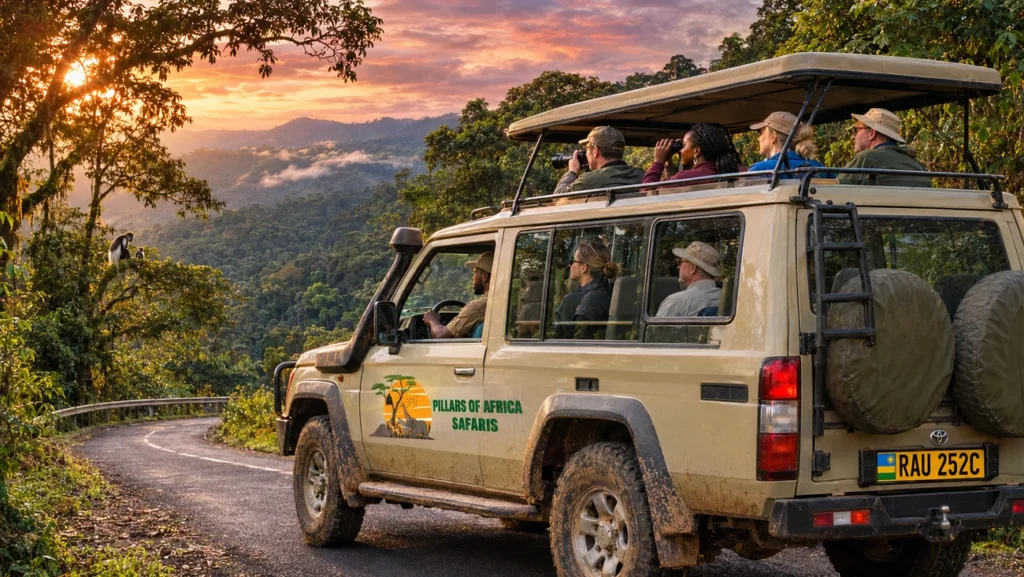
Use this table to begin a group conversation, not to assign activities. Each person should identify what matters to them and which questions remain unanswered. An interest only becomes part of the agreed plan once its practical requirements are understood.
| Interest or preference | Priority to discuss | Question to resolve |
|---|---|---|
| Wildlife observation | Time to watch without rushing | How much shared time should this receive? |
| Photography | Patient stops and time with a subject | What length of stop suits everyone? |
| Culture and local life | Meaningful participation | Which visits genuinely interest the group? |
| Walking and active experiences | Suitable physical demands | What conditions and participation requirements need checking? |
| Rest and quieter time | Unscheduled space | Where can downtime fit without relying on unconfirmed arrangements? |
| Different spending limits | A comfortable shared budget | Which costs are shared, optional or still unconfirmed? |
Start with what each traveller wants most
Ask everyone to name one experience they would particularly regret missing, one they would enjoy if practical and one they would happily leave out. This separates genuine priorities from ideas that simply sound appealing. It also gives quieter members of the group a clear way to contribute.
Discuss the reason behind each choice. A traveller asking for photography time may really want patient wildlife observation rather than frequent stops. Someone asking for a cultural visit may value conversation more than adding another attraction.
Keep needs separate from preferences
A preference for a relaxed morning is different from a health or mobility need. Discuss access, stamina, dietary requirements and other essential considerations privately where appropriate, then include the relevant requirements in the planning brief. Do not ask anyone to disclose personal details to the whole group merely to justify a limit.
Shape the day around shared anchors
A shared anchor is an experience that most or all of the group genuinely wants. Build around that first, then consider whether anything else fits comfortably. This is more useful than filling every available gap and hoping the day will feel balanced.
Rwanda planning discussions might include Akagera wildlife, Kigali culture, forest experiences or quieter time around Lake Kivu. Treat these as interests to explore, not an automatic route. Including every setting is not necessarily the best answer for the time available.
Give the day some breathing space
Breathing space is time that has not already been promised to another activity. It allows for a slower meal, preparation or simply a pause. Ask how that space works within the proposed arrangements; an empty-looking section of an itinerary may still involve travel or other commitments.
For a group considering wildlife photography, the Akagera photography planning guide can help frame a discussion about patience and pace. Agree how much observation time everyone will enjoy before making it a shared priority.
Protect everyone’s energy before adding another stop
Judge the day as a whole rather than assessing each activity separately. Several individually appealing experiences may still create a tiring combination when preparation, transfers and waiting are included. Ask for those less visible parts of the day to be explained.
Use the least flexible requirements to test the plan. Can someone who needs regular rest participate comfortably? Will the keenest photographer accept moving on at an agreed point? A plan that only works when everyone stretches their limits needs revision.
Avoid treating enthusiasm as evidence of physical suitability. Before committing to any active experience, request current information about its demands and participation requirements. Let each traveller assess those details without pressure from companions.
Resolve the important differences before booking
Some disagreements can remain flexible; others affect the booking itself. Budget, participation, room arrangements and the overall pace belong in the second category. Settle them before anyone makes a financial commitment on behalf of the group.
- Agree a spending range and clarify what it needs to cover.
- Identify experiences that everyone expects to join.
- Mark individual interests that still require feasibility checks.
- Discuss preferred room-sharing arrangements without assuming availability.
- Ask for the applicable payment, change and cancellation terms.
- Confirm who may approve changes and additional costs.
If one person does not want a particular experience, do not assume they can simply do something else nearby. Separate participation may affect transport, supervision, timing or cost. Request confirmation of a workable arrangement before treating it as part of the plan.
Agree expectations for waiting, downtime and participation
Small habits can cause more friction than major destination choices. A traveller who enjoys lingering over photographs may not realise others are waiting. Someone who likes spontaneous stops may not recognise how much another person values a predictable finish.
Agree how the group will handle these moments. You might decide to discuss longer stops before extending them, keep personal preparation from delaying departures and raise concerns early rather than waiting until frustration builds. These are group agreements, not instructions to override a guide’s judgement.
Make downtime genuinely optional
Rest should not come with an expectation to socialise, shop or join another outing. Equally, someone choosing quiet time should understand any practical limits on where they can remain. Confirm the arrangements rather than assuming a suitable space or facility will be available.
Compare competing choices with a simple framework
When two proposals compete, compare them against the same questions. This keeps the discussion from becoming a contest between the most persuasive voices. It also makes trade-offs easier to explain.
- Value: Whose important priority does this choice meet?
- Effort: What travel, preparation and physical effort does it involve?
- Impact: What would it remove from the rest of the journey?
- Certainty: Which arrangements or requirements remain unconfirmed?
- Agreement: Can everyone accept the choice without feeling pressured?
Do not reduce everything to a majority vote. A modest preference shared by several people should not automatically outweigh one traveller’s essential requirement. Where agreement remains difficult, simplify the plan before adding complexity.
Fit individual priorities into the wider Rwanda journey
Look across the whole trip before judging whether it feels balanced. A day weighted towards one interest may be perfectly reasonable when another traveller’s priority receives attention elsewhere. Fairness does not require every day to contain equal amounts of wildlife, culture, photography and rest.
Check that individual ambitions do not quietly turn into repeated changes of base or rushed departures. Ask what each proposed addition does to the wider route. If removing a stop makes several other days more comfortable, that may be a worthwhile trade.
Where photography is a major interest, compare the expectations behind it. The guide to planning photography across Rwanda’s forests, wetlands and savannah offers a relevant starting point. Use it to identify priorities, not to assume every landscape must appear in one journey.
Leave room for weather and changes
Build a plan that can tolerate some uncertainty without depending on a promised replacement experience. Ask which arrangements have fixed conditions and which may allow adjustments. Any changes remain subject to the circumstances and the terms of the booking.
Agree how decisions will be communicated if conditions affect the programme. One group contact can collect questions and share confirmed information, but should not make costly changes without the others’ consent. Keep a distinction between a suggestion, a request and an agreed revision.
Questions to settle as a group
Does everyone need to join every experience?
Not necessarily, but separate participation needs practical confirmation. Ask what happens for anyone not joining, whether arrangements are suitable and whether additional costs apply. Until those answers are clear, keep the experience marked as unresolved.
What if the group cannot agree on pace?
Describe pace in concrete terms: willingness to start early, tolerance for travel, desired rest and patience for longer stops. Then test the proposed journey against those preferences. If it repeatedly requires someone to push beyond their comfort, reconsider the scope rather than relying on goodwill alone.
Prepare a short shared planning brief
Before enquiring, turn the discussion into a brief that everyone has read. Keep it specific enough to guide a useful response, while leaving space for practical advice.
- Your shared priorities and each traveller’s main interest.
- Preferred pace, rest needs and relevant participation requirements.
- Travel dates or flexibility, group size and budget expectations.
- Experiences under consideration but not yet agreed.
- Questions about separate participation, costs and booking conditions.
Use this brief when enquiring about your Rwanda safari. Explaining both what brings the group together and where preferences differ gives the planning conversation a useful starting point—and helps you assess whether a proposed journey will suit everyone.
TopicRwanda / Safari Planning
Reader focusInformational: how to plan a shared Rwanda safari when companions have different sightseeing priorities and preferred travel paces.
Main subjectRwanda safaris for mixed-interest groups