
Customary Tipping Amounts in Rwanda: A Lesson in Grace, Dignity, and Shared Progress
In the heart of Africa, amidst a thousand hills that roll like waves of green and terracotta, lies a nation with a story of profound transformation. Rwanda, a name that now evokes images of pristine cleanliness, innovative technology, and breathtaking mountain gorillas, also holds within its culture a subtle, profound philosophy on human connection and gratitude. To explore the topic of customary tipping amounts here is to do more than just list numbers and percentages; it is to embark on a journey into the Rwandan spirit, where the act of giving is less about obligation and more about a shared commitment to dignity and mutual uplift.
The Cultural Heartbeat: It’s Not an Obligation, It’s an Appreciation
To understand tipping in Rwanda, one must first set aside the Western framework where a 15-20% gratuity is a rigid, almost contractual, social rule. In Rwanda, the concept is fundamentally different. The Kinyarwanda language doesn’t have a direct word for “tip.” Instead, the phrase often used is “gutsurira,” which translates roughly to “to give something extra” or “to add on.” This linguistic nuance is critical—it frames the act not as a mandatory fee for service rendered, but as a voluntary, heartfelt gesture of thanks for service that exceeded expectation.
This approach is deeply rooted in the Rwandan cultural principle of “Ubumwe” (unity) and “Ubuntu” (the belief in a universal bond of sharing that connects all humanity). Service is provided with pride and a genuine desire to be hospitable, a core tenet of the culture. The expectation is not for a monetary reward but for respectful interaction. Therefore, a tip, when given, is received not as a wage supplement but as a sincere token of appreciation for that shared humanity and the pride taken in one’s work. It is a silent conversation of respect between two individuals.
A Practical Guide: Navigating Customary Tipping Amounts with Sensitivity
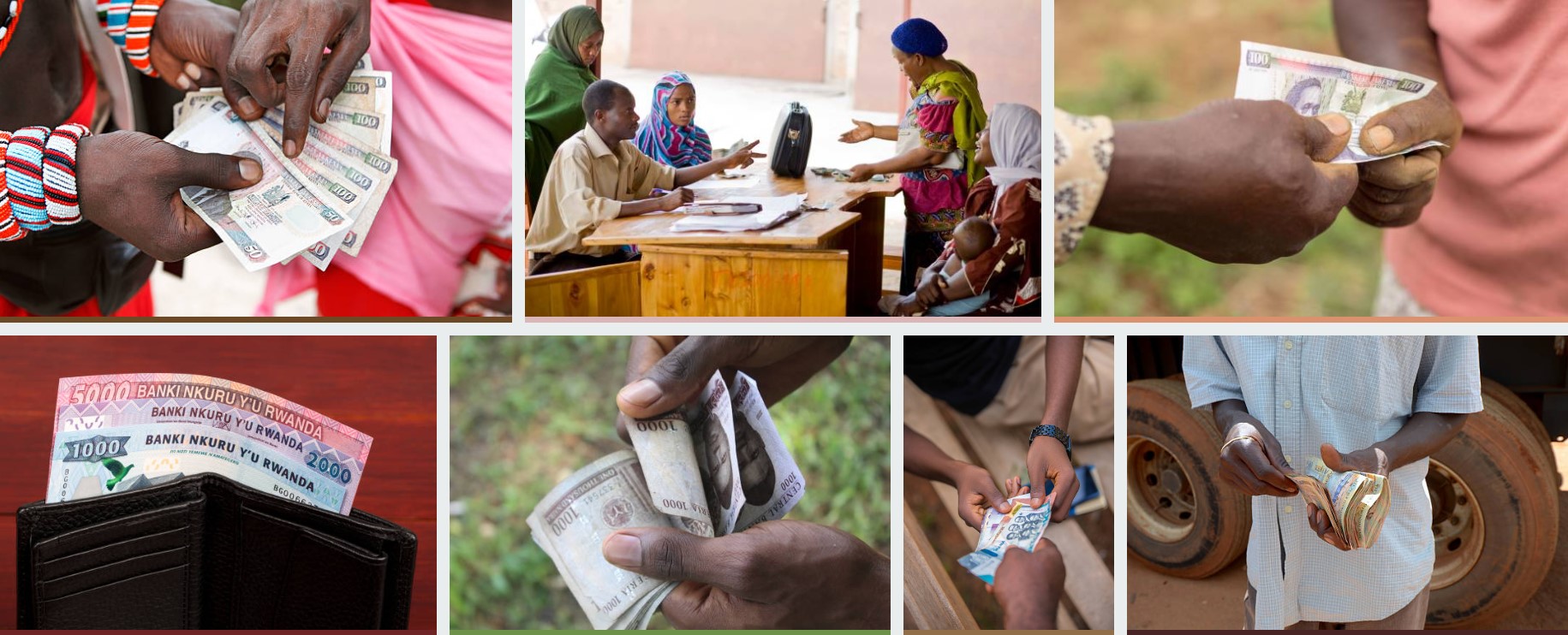
While not obligatory, tipping is certainly practiced and appreciated in Rwanda, especially within the tourism and service industries frequented by international visitors. The key is to be discreet, respectful, and proportionate to the service and context. Here is a guide to the customary tipping amounts and practices across different scenarios.
In Restaurants and Cafés
In most local restaurants and cafés where Rwandans dine, tipping is not a common practice. The bill is simply paid as is. However, in tourist-oriented restaurants, hotels, and upscale establishments in Kigali, tipping has become more commonplace.
-
Local Eateries: No tip expected.
-
Mid-range to Upscale Restaurants: A tip of 5-10% of the total bill is a generous and greatly appreciated gesture if you are pleased with the service. It is not customary to leave cash on the table. The best practice is to hand it directly to your server with a smile and a “Murakoze cyane” (Thank you very much) or to indicate to the waiter that you would like to include a tip when paying by card. Some higher-end places may include a service charge; in such cases, an additional tip is unnecessary but a small extra amount for exceptional service is always a kind surprise.
For Tour Guides and Drivers
This is where tipping becomes most significant. Rwanda’s tourism sector, particularly gorilla trekking and national park tours, is world-class. Guides undergo extensive training and take immense pride in providing a safe, educational, and unforgettable experience. Tipping here is a standard way to show gratitude for their expertise and effort.
-
Gorilla Trekking Guides: This is a highly specialized and demanding job. A tip of $15-$25 per person for the lead guide is customary for a group. If you are in a private tour or had an exceptional experience, giving more is wonderful. It’s also common to tip the trackers and porters (if you used one) separately, around $5-$10 each.
-
Safari Guides/Drivers: For a day tour or a multi-day safari driver-guide, a tip of $10-$20 per day per guest is a generous guideline. Their knowledge of animal behavior, driving skill on challenging roads, and commitment to your enjoyment is the backbone of your experience.
-
City Tour Guides: For a half-day or full-day tour in Kigali or another city, $10-$15 per person is a thoughtful amount.
Always tip your guide in cash (USD or Rwandan Francs are both acceptable) and hand it to them personally at the end of your time together, expressing your thanks.
For Transportation
-
Taxi Drivers: For standard taxi rides, tipping is not expected. The norm is to simply round up the fare to the nearest convenient amount. For instance, if your fare is 2,700 RWF (approximately $2.50), you might round up to 3,000 RWF. For a driver who has been particularly helpful, friendly, or waited for you, a slightly larger tip is a nice gesture.
-
Ride-Hailing (Yego, etc.): Similar to taxis, tipping within the app is not a feature. If you pay cash, you can round up. If you pay by card, a tip is not expected.
In Hotels and Lodges
-
Porters: A tip of 500-1,000 RWF (approx. $0.50-$1) per bag is appropriate.
-
Housekeeping: 1,000-2,000 RWF (approx. $1-$2) per day, left discreetly in the room at the end of your stay, is a considerate way to thank the staff who maintain your room.
-
Hotel Restaurant & Bar Staff: Follow the restaurant guidelines above.
The Deeper Currency: Respect Beyond the Franc
Beyond the customary tipping amounts, the true inspiration lies in the how and the why. The manner of tipping in Rwanda is as important as the amount.
-
Discretion is Paramount: Loudly announcing a tip or waving money around is considered crass. The exchange should be quiet, personal, and respectful. A handshake with the bill pressed discreetly into the palm is a common and appropriate method.
-
The Power of Connection: Look the person in the eye, smile, and offer a genuine “Murakoze” (Thank you) or “Urakoze” (if speaking to one person). This human connection transforms the transaction into a meaningful moment of gratitude.
-
Dignity Over Duty: Remember, you are not subsidizing a low wage as might be the case in other countries. You are acknowledging a person’s skill, effort, and pride. You are participating in a cycle of mutual respect that strengthens the social fabric.
An Inspiration in Gratitude and Growth
The philosophy behind customary tipping amounts in Rwanda offers an inspirational model for the world. It challenges us to move beyond transactional relationships and into the realm of genuine human appreciation. In a nation fiercely dedicated to its own renewal, every interaction is part of building a better future. Your tip, however modest, is a small but meaningful investment in that future. It supports individuals, families, and a national economy built on dignity and excellence.
So, when you visit the land of a thousand hills, come prepared not just with small bills, but with an open heart. Understand that the numbers are just a guide. The true value of your gesture will be measured by the respect with which it is given. It is a silent promise—a recognition that as we journey through this world, our progress is not measured by how far we travel, but by the grace and gratitude we leave in our wake. In Rwanda, the customary tipping amounts are more than a travel tip; they are a lesson in how to build a more respectful and connected world, one small, heartfelt “thank you” at a time.
