What Travel Insurance Should I Arrange for a Uganda Safari?
Choose Uganda safari travel insurance that covers your actual itinerary, including any gorilla trekking or chimpanzee tracking, rather than relying on a policy’s general description of a holiday. Check emergency medical treatment, evacuation, cancellation and activity exclusions before paying substantial trip costs, and ask the insurer to clarify uncertain wording in writing.
What should Uganda safari travel insurance cover?
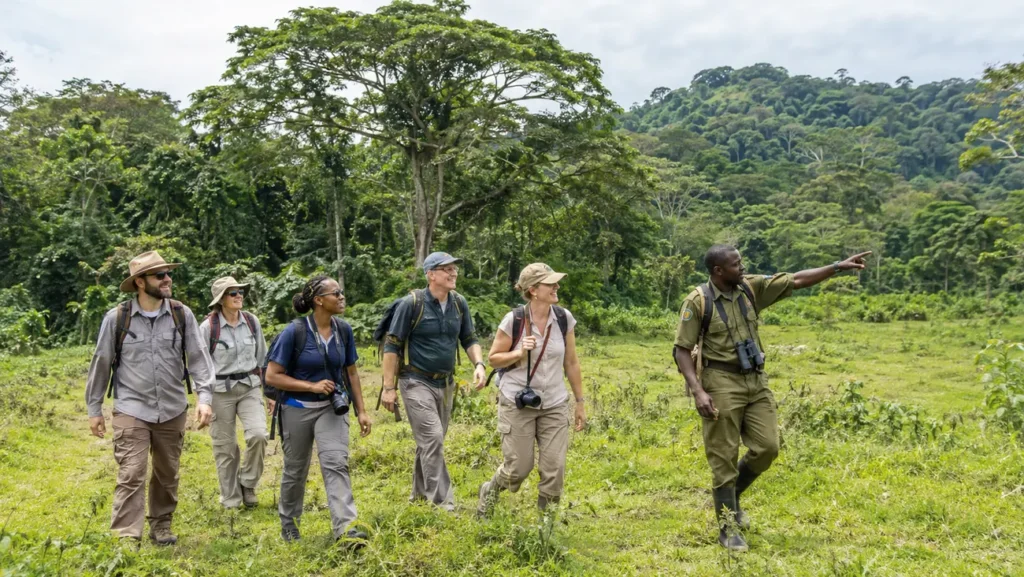
The right cover depends on what you have booked, your medical circumstances and the financial commitments involved. A wildlife safari with vehicle-based viewing is not the same insurance proposition as a trip that also includes guided forest trekking.
Start with your proposed itinerary and booking terms. These give an insurer something specific to assess and help you identify costs that could remain your responsibility if you cannot travel or must return home early.
- Emergency medical treatment: check the level of cover, exclusions and arrangements for obtaining assistance.
- Medical evacuation and repatriation: establish what is covered, who authorises it and how it is organised.
- Cancellation and curtailment: check the insured reasons for cancelling before departure or cutting the trip short.
- Named activities: ask about every trekking or walking activity on your itinerary.
- Baggage and equipment: compare limits with the value of the belongings you intend to take.
These are separate checks. Strong medical cover does not automatically mean generous cancellation protection, and a baggage benefit does not necessarily cover an expensive camera in full.
Does ordinary holiday insurance cover gorilla trekking?
Do not assume it does. Policy wording differs, and an insurer may classify gorilla trekking under walking, trekking, adventure activities or another category. A policy that mentions safaris may still distinguish between travelling in a vehicle and walking through a forest.
If your Uganda itinerary includes Bwindi, describe the activity as guided mountain gorilla trekking in Bwindi Impenetrable National Park. If it includes Kibale, identify guided chimpanzee tracking separately. Avoid asking only whether a generic “wildlife excursion” is covered.
Give the insurer enough detail
- The country and named parks you intend to visit.
- Whether activities involve travelling in a vehicle, walking or trekking.
- Any relevant altitude limits or other activity restrictions stated in the policy.
- Whether you will join organised, guided activities.
- Any other planned excursions that are not described in the main safari itinerary.
If the insurer requests route or activity details you do not have, ask your safari operator for clarification. Keep the insurer’s written response with your policy documents. An operator can explain the itinerary, but only the insurer can confirm how its cover applies.
A practical insurance comparison checklist
Use this table when comparing policies. Look beyond the headline price: the excess, exclusions and conditions can matter as much as the advertised benefit limit.
| Area to check | Question to ask | Why it matters |
|---|---|---|
| Gorilla and chimpanzee trekking | Are my named guided activities covered, and do restrictions apply? | Vehicle-based safari cover may not establish whether forest trekking is included. |
| Medical treatment | What treatment is covered, and when must I contact assistance? | You need to understand both the benefit and the process for using it. |
| Evacuation and repatriation | Who decides what transport is medically necessary and arranges it? | A benefit limit alone does not explain the authorisation procedure. |
| Cancellation | Does the limit match my non-refundable commitments, including booked activities? | A valid claim may still leave a shortfall if the limit is too low. |
| Trip interruption | Which circumstances qualify if I must return home early? | Changing your plans voluntarily is different from an insured event. |
| Camera equipment | What are the single-item limits and unattended-property exclusions? | The overall baggage limit may exceed the amount payable for one camera. |
| Medical history | What conditions, symptoms or treatment must I declare? | Incomplete disclosure can affect cover or a claim. |
| Excess | Is the excess applied per person, claim or section? | This affects how much of a loss you would pay yourself. |
How should you check cancellation cover for safari bookings?
List your financial commitments rather than using a rough estimate of the holiday’s value. Include flights, your safari booking and separately paid activities where relevant. Read the cancellation terms attached to each booking so that you understand which amounts may be non-refundable.
For gorilla or chimpanzee activities, ask how any permit-related payments are shown in your booking and what cancellation terms apply. Do not assume that a permit payment is refundable or that an insurer will reimburse it in every situation.
Separate booking terms from insurance protection
Your operator’s cancellation terms explain what happens to the booking payment. Your insurance policy explains whether a particular reason for cancellation qualifies for a claim. These are different contracts: a non-refundable payment is not automatically an insured loss.
Check when cancellation protection begins, too. Waiting until departure to arrange insurance can leave earlier booking commitments without protection. Any circumstances already known when you buy a policy need particular attention under its terms.
What should you know about medical assistance?
Before travelling, save the insurer’s emergency assistance number, policy number and instructions somewhere accessible without an internet connection. Give a travelling companion access to the same information, or leave a copy with a trusted contact at home.
Read the procedure for hospital treatment, evacuation and repatriation. Policies can require contact with an assistance team before certain costs are authorised, where circumstances allow. Do not assume you can independently arrange transport and recover the full expense afterwards.
Insurance also does not replace medical advice about your suitability for travel or trekking. Discuss health concerns with a qualified clinician and make any disclosures required by the insurer. If your health changes between buying the policy and departure, ask whether you need to update your declaration.
Related questions before you buy
Is travel insurance included in my safari quotation?
Do not assume so. Check the written inclusions and exclusions in your own quotation. Unless personal travel insurance is explicitly included and its terms are supplied, arrange suitable cover separately and confirm it before departure.
Will insurance pay if I choose not to trek?
Not necessarily. Deciding that you no longer want to participate is different from being unable to take part because of an event covered by the policy. Ask how cancellation or unused-activity benefits apply, particularly if trekking is a major part of your trip.
Does insurance guarantee evacuation from a national park?
No. Insurance cover is not a guarantee of immediate transport or a particular rescue method. Assistance depends on the circumstances, practical access and the policy’s terms. Ask the insurer to explain its emergency arrangements without assuming that “evacuation included” answers every operational question.
Should I insure my camera separately?
Compare its replacement value with your policy’s single-item and total valuables limits. Check whether lenses and accessories are counted separately or together, and read security requirements. If the protection is insufficient, ask about an extension or specialist equipment cover.
Prepare the itinerary before choosing the policy
The most useful insurance enquiry is specific: where you are going, which activities you will undertake and what you have paid. Keep your final itinerary, booking conditions, policy schedule and written activity confirmations together so they are easy to find.
When enquiring with Pillars of Africa Safaris, mention whether you want vehicle-based wildlife viewing, gorilla trekking, chimpanzee tracking or a combination. Ask for clear activity descriptions and booking terms to share with your insurer before confirming your Uganda safari.