
Rwanda Safari Planning for Solo Travellers
A Rwanda safari for solo travellers starts with a personal decision: how much independence, company and structure would make the journey enjoyable? Before choosing stops, think about whether you want quiet time, conversation during activities, or a balance that changes throughout the trip.
Travelling alone does not automatically mean travelling privately, joining a group or paying a particular supplement. Those arrangements need checking individually. A useful plan makes the daily rhythm, accommodation, transport and full cost clear before you commit, without filling every spare hour.
Quick planning view: Rwanda safari for solo travellers
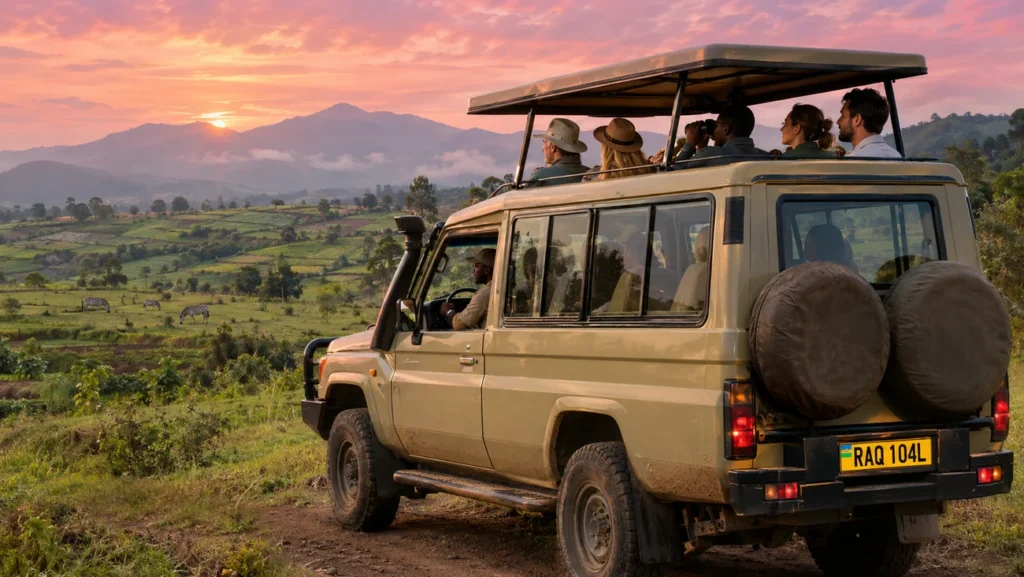
Begin with your interests and comfort needs rather than a fixed itinerary. Wildlife, photography, forest experiences, cultural visits and time by the water may appeal in different proportions. Choose your priorities first, then ask which arrangements are available for your dates.
Keep these decisions separate: travelling alone, occupying a room alone and having exclusive use of transport are not the same thing. A quotation should explain each one rather than leave you to infer what “solo safari” means.
- Identify the experiences that matter most to you.
- Decide where company would improve the experience and where you prefer privacy.
- Ask how transport, guiding and room occupancy are priced.
- Check which activities require advance confirmation.
- Leave space for rest, especially around arrival and departure.
Begin with what you want to feel
Independence without managing every detail
You may enjoy travelling alone because you can follow your own interests, yet still want help with transfers and activity arrangements. Explain which decisions you want to retain and which you would prefer to settle before arrival. This gives an organiser something more useful to work with than simply “a trip for one”.
Company without constant conversation
Wanting companionship does not mean wanting a full social schedule. You might enjoy discussing wildlife with a guide but prefer a quiet meal afterwards. Equally, you may welcome opportunities to meet people without wanting to share your room or every journey.
State those preferences early. Ask whether any shared arrangements are available, but do not assume there will be a suitable departure or other travellers on your dates.
Let the destination set the rhythm
A solo trip can become tiring when every unallocated hour looks like something that needs booking. Instead, give each stop a clear purpose. That might be time for wildlife observation, an activity you particularly want to try, or a quieter interval between more demanding experiences.
If Akagera is part of your thinking, consider whether wildlife photography or broader observation matters more to you. The article on photographing Akagera National Park offers another way to think about patience and pace. Use those interests to shape your questions, rather than treating another traveller’s route as a template.
For a possible Lake Kivu stop, decide what you want from the time there before adding activities. Reviewing common Lake Kivu planning mistakes can help you identify questions to raise. Any proposed experience still needs confirmation for your dates and circumstances.
A practical way to organise the stay
Build around priorities, then check the connections
Write a short list of essential experiences and a separate list of optional interests. Ask for a route that explains how the essential elements fit together, including transfers and recovery time. Avoid approving a programme solely because the list of attractions looks impressive.
Read the arrival arrangements carefully. Confirm who is responsible for the transfer, where you should meet and what to do if your arrival changes. The same clarity matters on departure: your final activity should not depend on an unverified connection.
Know what happens if plans change
Ask which bookings are fixed and which may be adjusted. Weather, availability and your own energy can affect what is practical, but flexibility should never be assumed. Establish who you contact, what alternatives might be considered and whether changes could involve additional charges.
What the guide adds
A guide can contribute interpretation and help you understand the day’s arrangements, but the scope of guiding must be confirmed. Ask whether guiding applies throughout the journey or only to particular activities. Also clarify whether different people handle transfers and specialist experiences.
For a solo traveller, communication style deserves attention. Explain if you enjoy detailed discussion, prefer quiet observation or need instructions repeated clearly before an activity. These preferences help define a good working relationship without expecting a guide to provide constant companionship.
Agree how personal time works too. Ask when you will next meet, how to make contact and what boundaries apply during an activity. A clear plan is more reassuring than an assumption that someone will always be nearby.
Compare arrangements, not just headline prices
Two quotations may describe similar destinations but offer different arrangements. Compare what you actually receive, including occupancy, transport use and activity bookings. This checklist helps expose the details that a single total cannot explain.
| Planning point | Question to ask | Detail to obtain |
|---|---|---|
| Transport | Is it exclusive or shared? | Scope and any exceptions. |
| Shared options | Is anything confirmed for my dates? | Availability and cancellation conditions. |
| Room occupancy | What is priced for one guest? | Room basis and any supplement. |
| Activities | Which bookings are included? | Confirmed items and exclusions. |
| Meals | Which meals are covered? | Included meals and separate expenses. |
| Payment and changes | What happens if plans change? | Deposit, balance and cancellation terms. |
If an option depends on other guests joining, ask what happens if they do not. Obtain the answer before paying, including whether the price changes or the arrangement might be cancelled. A possible shared option is not the same as a confirmed booking.
How to choose accommodation
Choose accommodation for how it supports your stay, not only for how the room looks. Ask about the location relative to your confirmed activities, arrival arrangements and opportunities to rest. For a solo traveller, a clear evening plan can matter as much as the daytime programme.
Room occupancy and meals
Request the room category and occupancy basis in writing. Do not assume that a room described as “single” has a particular layout, or that sole occupancy is included in a quoted rate. If bed configuration matters, ask directly.
Check meal arrangements and how dietary requirements are handled before booking. You may also want to know whether dining is individual or communal, without assuming either format is available. If you prefer quiet evenings, explain that preference when discussing accommodation.
Downtime that suits you
Ask what spending an unstructured afternoon at the property would realistically involve. Do not rely on unconfirmed facilities, connectivity or nearby places to visit. If you need internet access for work or regular calls, seek current details and plan for interruptions rather than depending on uninterrupted service.
If Nyungwe is under consideration, the guide to choosing where to stay around Nyungwe National Park provides further reading on accommodation decisions.
Weather and clothing: prepare for the confirmed activities
Pack against the activities you have booked, not a general image of safari travel. Ask for current guidance on footwear, clothing, rain protection and any equipment requirements. Requirements for a forest activity may differ from those for time spent in a vehicle.
Keep essential medication, travel documents and important contact details accessible during transfers. Obtain personal medical advice where needed, and check that your insurance covers the activities you intend to undertake. Your own health and mobility needs should guide preparation rather than a standard packing list.
For photography, consider what you can comfortably carry and protect without assistance. Confirm any luggage restrictions before finalising bags, particularly where your transport arrangements impose limits.
Responsible choices and a clear communication plan
Follow the instructions given for each wildlife or community encounter. Do not seek a closer photograph or a more personal interaction by stepping outside the agreed rules. Ask permission before photographing people, and accept a refusal without pressure.
Discuss cultural visits on their own terms rather than assuming they are informal stops that can be added anywhere. Ask what is arranged, how participation works and whether photography is appropriate. Travelling alone does not create an entitlement to private access or personal attention.
Share your confirmed itinerary and relevant contacts with someone you trust. Agree a realistic check-in pattern and keep important details available offline. Before setting out independently, ask for current local guidance and establish how you will return; do not treat a booked safari as blanket assurance about every separate outing.
A final check before you book
Read the proposal as an ordinary day rather than a list of highlights. Can you see how you arrive, eat, rest, join activities and contact the right person? If those everyday details remain unclear, ask for clarification before focusing on optional extras.
The right balance is personal. Paying for privacy may suit one traveller, while another values a confirmed opportunity for company more highly. Make the decision using the arrangements actually offered, not assumptions about what solo travel should feel like.
Questions travellers often ask
Does travelling alone mean I need a private safari?
Not necessarily, but no particular alternative should be assumed available. Ask what can be arranged for your dates and which parts would be private or shared. Confirm the transport, guiding and accommodation separately.
Will I have to pay a single supplement?
That depends on the accommodation and quotation terms. Ask for the total price for one person and a clear explanation of any supplement. Do not assume a supplement is either compulsory or waived.
Can I leave some time unplanned?
You can request it, but distinguish free time from activities you hope to arrange later. Ask which experiences need advance booking and what support, if any, applies during unstructured periods. This helps preserve flexibility without relying on unavailable options.
Discuss your solo Rwanda plans
Contact Pillars of Africa Safaris with your proposed dates, interests and preferred balance of independence and company. Include any room, dietary, mobility or communication requirements that affect your decisions. Ask which arrangements are available and request clear quotation terms before committing, so your journey starts with expectations you understand.
TopicRwanda / Safari Planning
Reader focusInformational: help solo travellers decide how to structure a Rwanda safari and what to clarify before booking alone.
Main subjectRwanda safari for solo travellers