
Does Mahale Have Gorillas? The Inspiring Truth About Mahale’s Wildlife
When people think of Africa’s great primates, gorillas often come to mind—majestic, powerful, and deeply intelligent creatures that captivate the hearts of wildlife enthusiasts. But if you’re planning a trip to Mahale Mountains National Park in Tanzania, you might be wondering: Does Mahale have gorillas?
The answer is no—Mahale is not home to gorillas. Instead, this breathtaking park is famous for its thriving populations of chimpanzees, offering one of the most intimate wildlife experiences in the world. While gorillas may not roam these forests, Mahale’s unique ecosystem, stunning landscapes, and incredible biodiversity make it a must-visit destination for nature lovers.
In this article, we’ll explore why it remains one of Africa’s most extraordinary parks, the wonders of its chimpanzee communities, and how its conservation efforts inspire us to protect our planet’s precious wildlife.
The Magic of Mahale: A Sanctuary of Biodiversity
Nestled along the shores of Lake Tanganyika, Mahale Mountains National Park is a remote and untouched paradise. Unlike the more famous Serengeti or Ngorongoro, Mahale offers a secluded, almost mystical experience. Its dense forests, rolling hills, and crystal-clear waters create an otherworldly atmosphere where humans are mere visitors in a world ruled by nature.
Why Doesn’t Mahale Have Gorillas?
Gorillas are primarily found in Central and East Africa, with notable populations in Uganda, Rwanda, and the Democratic Republic of Congo. Tanzania, however, is not a natural habitat for wild gorillas. Instead, Mahale is renowned for its chimpanzees—our closest genetic relatives.
The absence of gorillas in Mahale doesn’t diminish its significance. In fact, the park’s focus on chimpanzee conservation highlights the importance of protecting different primate species, each playing a vital role in their ecosystems.
Chimpanzees: The Stars of Mahale
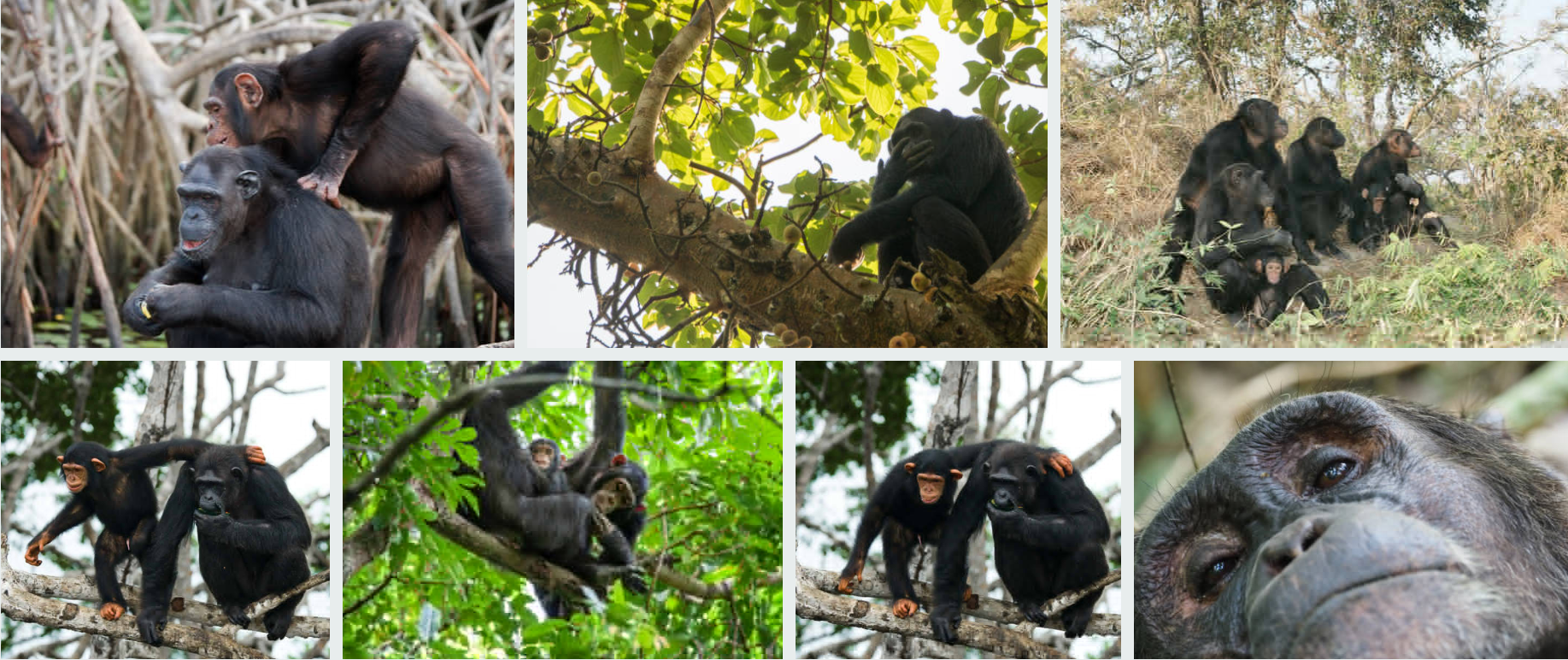
While gorillas may steal the spotlight elsewhere, Mahale’s chimpanzees offer an equally mesmerizing encounter. The park is home to one of the largest remaining populations of wild chimps, with over 1,000 individuals living in troops across the forest.
The Habituation Experience: Walking with Chimps
One of the most extraordinary aspects of visiting Mahale is the opportunity to track habituated chimpanzees. Unlike gorilla trekking, which follows a more structured path, chimp tracking in Mahale feels like stepping into a David Attenborough documentary.
Guided by expert trackers, visitors hike through lush forests, listening for distant calls and rustling leaves. When you finally encounter a troop, the experience is surreal—watching them groom each other, play, and communicate in ways eerily similar to humans.
What Makes Mahale’s Chimps Unique?
-
Cultural Behaviors: Researchers have observed distinct cultural practices among Mahale’s chimps, such as unique tool use and hunting techniques.
-
Strong Social Bonds: Chimpanzees live in complex societies with intricate hierarchies, alliances, and even conflicts.
-
Research Legacy: The park has been a focal point for primatology since the 1960s, with studies led by renowned scientists like Dr. Toshisada Nishida.
Conservation in Mahale: A Story of Hope
The fact that Mahale does not have gorillas doesn’t make it any less important in conservation. On the contrary, the park’s efforts to protect chimpanzees and their habitat serve as an inspiration for wildlife preservation worldwide.
Threats to Mahale’s Wildlife
Despite its remote location, Mahale faces challenges:
-
Deforestation: Illegal logging and agricultural expansion threaten the chimps’ habitat.
-
Poaching: While not as severe as in other regions, bushmeat hunting remains a concern.
-
Climate Change: Shifting weather patterns affect food availability for wildlife.
How Mahale is Fighting Back
Through community involvement, research, and eco-tourism, Mahale is leading the charge in conservation:
-
Eco-Tourism Revenue: Visitor fees fund anti-poaching patrols and habitat restoration.
-
Local Engagement: Educating nearby communities reduces human-wildlife conflict.
-
Scientific Research: Ongoing studies help refine conservation strategies.
Why Mahale Inspires Us All
Even without gorillas, It stands as a testament to nature’s resilience. Its story teaches us:
-
Every Species Matters – Just because gorillas aren’t here doesn’t mean chimps are any less vital.
-
Conservation Works – With effort, we can protect endangered species.
-
Adventure Awaits – Sometimes, the most extraordinary experiences come from the unexpected.
Does Mahale Have Gorillas? No—But It Has Something Even More Special
While Mahale may not have gorillas, it offers something equally magical—an unspoiled wilderness where chimpanzees reign supreme. The park reminds us that true inspiration comes from appreciating what is present, rather than longing for what is absent.
So, if you’re seeking an unforgettable wildlife encounter, look beyond gorillas. Mahale’s chimps, pristine forests, and breathtaking landscapes promise an adventure that will stay with you forever.
Protect its legacy. Be inspired.
-
Mahale does not have gorillas but is home to incredible chimpanzee populations.
-
The park offers one of the best chimp-tracking experiences in the world.
-
Conservation efforts in Mahale provide hope for endangered species.
-
Every ecosystem, no matter how small, plays a crucial role in our planet’s health.
By understanding and appreciating Mahale’s unique wildlife, we take one more step toward preserving Earth’s natural wonders for generations to come.
#Mahale #WildlifeConservation #ChimpanzeeTrekking #AfricaTravel
