
What’s Unique About Rwandan Culture?
Culture is the heartbeat of a nation. It is the rhythm that drives a people’s sense of identity, belonging, and purpose. In a world where globalization continuously blurs lines between traditions, customs, and languages, there remain pockets of unique cultural brilliance that serve as beacons of pride and unity. One such remarkable beacon is Rwanda—a small, landlocked country in East Africa whose cultural landscape is not only vibrant but profoundly inspirational. So, what’s unique about Rwandan culture? The answer is layered with history, resilience, innovation, and a deep-rooted sense of community that transcends borders and inspires the world.
A Culture Rooted in Unity and Reconciliation
To truly understand what’s unique about Rwandan culture, one must first reflect on its past. Rwanda’s history is marked by one of the darkest chapters in human memory—the 1994 genocide against the Tutsi, where over 800,000 lives were lost in a span of 100 days. This tragedy could have torn the fabric of Rwandan society forever. Yet, the strength of Rwandan culture lies in its incredible power of healing and reconciliation.
In the aftermath of the genocide, Rwanda turned inward—not in isolation, but in introspection. The country didn’t just rebuild infrastructure; it rebuilt hearts, minds, and spirits. Community-based reconciliation programs such as Gacaca courts were not just legal frameworks—they were cultural revivals, rooted in ancient traditions of justice and healing. Through these communal courts, perpetrators confessed and victims found avenues to forgive. It was not perfect, but it was profoundly human. This cultural dedication to unity and peace is uniquely Rwandan. It teaches the world that even the deepest wounds can be healed with collective will, cultural wisdom, and a vision for peace.
Language and Identity
Another remarkable element that makes Rwandan culture unique is its linguistic unity. Unlike many African nations, which juggle multiple tribal languages, Rwanda is predominantly Kinyarwanda-speaking. This linguistic unity is more than just a convenience; it is a cultural glue. Kinyarwanda is spoken by almost every Rwandan, whether they reside in the rural hills or the bustling capital of Kigali. It is the language of song, proverbs, storytelling, and daily life.
In a world often divided by language barriers, Rwanda stands out as a model of linguistic harmony. The unity afforded by a common tongue has allowed Rwandans to communicate, organize, and heal without the additional barriers that diverse languages sometimes create. It has strengthened the sense of national identity and pride in an era where cultural identities are often at risk of erosion.
The Power of Imigongo Art
Art often tells the story of a people more vividly than history books ever could. In Rwanda, one of the most distinctive artistic traditions is Imigongo—an ancient art form that originated in the Eastern Province. Imigongo designs are geometric, often in black, white, and red, created using cow dung and natural pigments. Originally painted on the walls of homes, these artworks have evolved into canvases and souvenirs that tell a story of sustainability, beauty, and cultural pride.
What’s unique about Rwandan culture is its ability to transform even the humblest materials into expressions of beauty and identity. Imigongo is not just art; it’s a metaphor for the Rwandan spirit—resourceful, grounded in tradition, yet evolving with time.
Traditional Dance and Music: A Celebration of Life
Music and dance are at the core of Rwandan cultural life. Traditional dance in Rwanda is a spectacle of grace, energy, and storytelling. The Intore dancers, often adorned in vibrant costumes and spears, perform dances that depict bravery, joy, and communal triumph. Accompanied by the rhythmic drumming of ingoma and melodic traditional instruments like the inanga, Rwandan music is a cultural expression that stirs the soul.
These performances are not just entertainment; they are ceremonial and symbolic. They celebrate harvests, marriages, national holidays, and community victories. In every footstep, in every beat, lies the pulse of a people deeply connected to their history, land, and each other.
Ingando and Umuganda: The Culture of Service
Perhaps one of the most inspiring and unique aspects of Rwandan culture is the institutionalized spirit of service and community development. Ingando, meaning “solidarity camps,” are part of Rwanda’s cultural and civic education programs, especially for the youth. They teach history, values, patriotism, and the importance of national unity.
Even more unique is Umuganda, which translates to “coming together for a common purpose.” On the last Saturday of each month, citizens across Rwanda participate in community service activities—cleaning streets, building houses for the vulnerable, and planting trees. It’s not just a civic duty; it’s a cultural celebration of togetherness and responsibility.
This tradition has gained global admiration. Umuganda is a shining example of how cultural practices can be harnessed for nation-building. It reflects the Rwandan ethos that progress is not the job of the government alone, but a shared responsibility rooted in cultural values.
Women’s Empowerment as a Cultural Norm
In Rwanda, gender equity is not merely a political stance—it is woven into the fabric of modern culture. Rwandan women make up a significant percentage of the country’s parliament—more than in any other nation. This is not tokenism. It is a reflection of a cultural shift that values the voice, contribution, and leadership of women.
Women in Rwanda are also leaders in business, technology, agriculture, and education. Cultural attitudes have evolved to embrace and celebrate female empowerment as an essential part of national development. This progressive element of Rwandan culture sets it apart as a beacon of hope and a model for other nations striving for gender equality.
Modern Traditions and Cultural Resilience
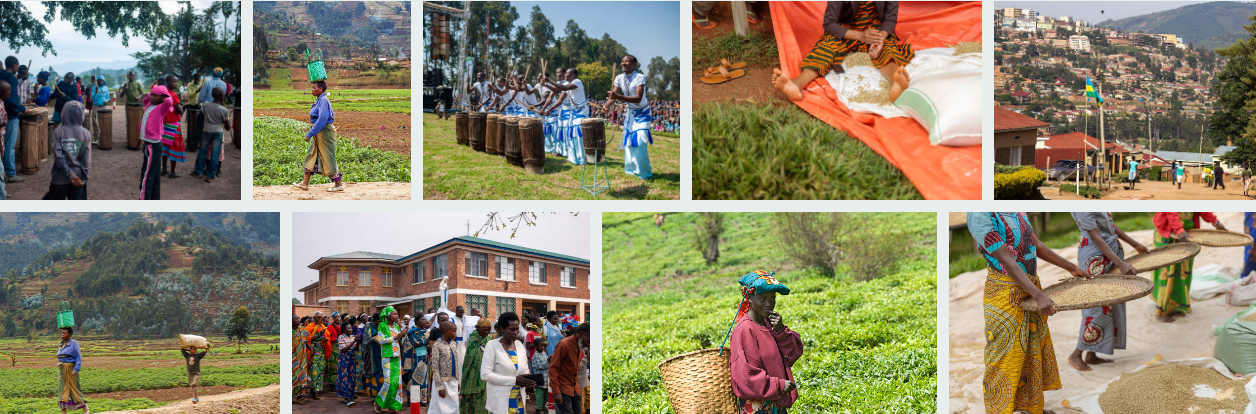
While Rwanda is deeply rooted in tradition, it is also remarkably forward-looking. Kigali is one of Africa’s cleanest and most organized cities. Plastic bags are banned, and environmental consciousness is not just a policy—it’s a cultural priority. This blend of tradition and modernity is perhaps what’s most unique about Rwandan culture.
The youth are embracing entrepreneurship, technology, and innovation while staying connected to their roots. Cultural festivals like the Kwita Izina gorilla naming ceremony attract global audiences and spotlight Rwanda’s commitment to conservation, identity, and sustainable tourism. The Rwandan fashion scene, with its fusion of traditional prints and contemporary designs, showcases a new wave of cultural pride that is as stylish as it is authentic.
A Culture of Storytelling and Oral Heritage
Rwandan culture also thrives on storytelling. Elders are revered not just for their age but for their role as keepers of wisdom and history. Folk tales, proverbs, and oral traditions continue to play a significant role in the moral and cultural education of the young. These stories teach values—honesty, perseverance, courage—and offer insights into the beliefs and worldviews that shape Rwandan life.
This emphasis on oral tradition ensures that history is not lost, that lessons of the past are not forgotten, and that the collective memory of a people remains alive and relevant.
A Global Lesson in Cultural Power
So, what’s unique about Rwandan culture? It is the way history is transformed into strength. It is the embodiment of unity through language, dance, art, and shared responsibility. It is a culture that has turned sorrow into solidarity, destruction into development, and tradition into transformation.
In a world often caught between clashing identities and divisive ideologies, Rwanda offers a powerful lesson: that culture, when cherished and cultivated, can be a force of unimaginable healing, pride, and progress. Rwandan culture is not just unique—it is profoundly motivational. It reminds us that no matter the challenges we face, our cultural identity can be the compass that guides us forward, unites our people, and shapes a brighter, more resilient future.
