
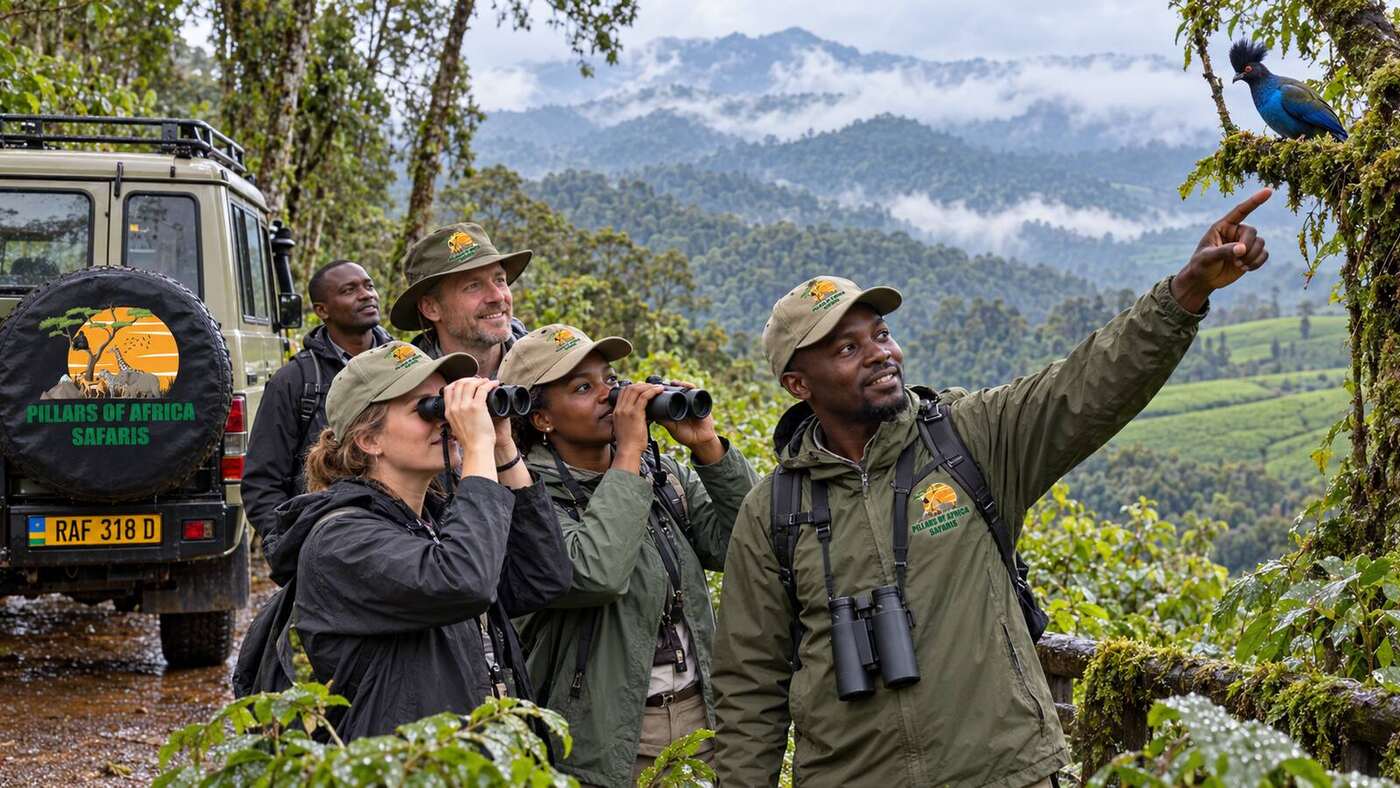
Gishwati-Mukura National Park
A well-planned visit can include guided nature walks, primate observation, birding, waterfall visits, conservation learning and tea-country views. Rather than rushing through a checklist, travellers should choose experiences that match their fitness, interests and available time. This guide explains the landscape, activities, wildlife, culture, accommodation and practical decisions needed for a comfortable journey.
Destination at a Glance
| Country | Rwanda |
|---|---|
| Location | Western Rwanda between Volcanoes National Park and Nyungwe |
| Character | a recovering montane forest landscape where conservation links two important biodiversity areas |
| Main experiences | guided nature walks, primate observation, birding, waterfall visits, conservation learning and tea-country views |
| Best time | visits are possible across the year, with waterproof clothing useful in this moist highland environment |
| Access | visits require current arrangements and road transfers through Rwanda’s western highlands |
Landscape and Sense of Place
Gishwati-Mukura National Park offers a meaningful way to understand the physical character of this part of Rwanda. The scenery includes misty forest ridges, streams, waterfalls, regenerating woodland, farms and tea plantations. Light, cloud and rainfall continually change what visitors see, which is why the same route may feel completely different on another day. The experience becomes stronger when travellers leave enough time, listen to local guides and avoid treating the destination as a quick photograph stop. Conditions change with season, weather and local operations, so a flexible plan produces a calmer and more rewarding visit.
Gishwati-Mukura National Park offers a meaningful way to understand how land and water shape local life. Natural features influence wildlife movements, farming, settlement and the daily work of surrounding communities. Responsible tourism depends on recognising that the destination is both a visitor attraction and a lived landscape. The experience becomes stronger when travellers leave enough time, listen to local guides and avoid treating the destination as a quick photograph stop. Conditions change with season, weather and local operations, so a flexible plan produces a calmer and more rewarding visit.
Top Things to Do
Gishwati-Mukura National Park offers a meaningful way to understand its leading visitor experiences. Popular choices include guided nature walks, primate observation, birding, waterfall visits, conservation learning and tea-country views. A good itinerary balances active periods with pauses for observation, meals and travel between sites. The experience becomes stronger when travellers leave enough time, listen to local guides and avoid treating the destination as a quick photograph stop. Conditions change with season, weather and local operations, so a flexible plan produces a calmer and more rewarding visit.
Gishwati-Mukura National Park offers a meaningful way to understand guided exploration. Local guides add safety and interpretation. They can explain animal signs, plant uses, history, etiquette and conservation work, turning a simple outing into a richer story. The experience becomes stronger when travellers leave enough time, listen to local guides and avoid treating the destination as a quick photograph stop. Conditions change with season, weather and local operations, so a flexible plan produces a calmer and more rewarding visit.
| Experience | Why include it | Planning note |
|---|---|---|
| Signature guided activity | Provides the clearest introduction to the destination | Book early and confirm starting time |
| Nature or scenic walk | Reveals small details missed from a vehicle | Wear sturdy shoes and carry water |
| Community experience | Adds culture and local perspective | Use respectful, community-led programmes |
| Photography and birding | Encourages slow observation | Morning and late afternoon light is often best |
Wildlife, Birds and Plant Life
Gishwati-Mukura National Park offers a meaningful way to understand the species protected here. Possible sightings include chimpanzees, golden monkeys, blue monkeys, L’Hoest’s monkeys, forest birds and butterflies. Nature never follows a fixed timetable, and no responsible guide can guarantee a particular animal. The experience becomes stronger when travellers leave enough time, listen to local guides and avoid treating the destination as a quick photograph stop. Conditions change with season, weather and local operations, so a flexible plan produces a calmer and more rewarding visit.
Gishwati-Mukura National Park offers a meaningful way to understand birdwatching and smaller discoveries. Visitors who slow down may notice calls, tracks, insects, flowers and changes in vegetation. Binoculars and a guide familiar with local species greatly improve the experience. The experience becomes stronger when travellers leave enough time, listen to local guides and avoid treating the destination as a quick photograph stop. Conditions change with season, weather and local operations, so a flexible plan produces a calmer and more rewarding visit.
Culture and Community Experiences
Gishwati-Mukura National Park offers a meaningful way to understand the people connected to the destination. Local conservation partnerships, beekeeping, farming and guiding show how forest recovery can support neighbouring communities. The experience becomes stronger when travellers leave enough time, listen to local guides and avoid treating the destination as a quick photograph stop. Conditions change with season, weather and local operations, so a flexible plan produces a calmer and more rewarding visit.
Gishwati-Mukura National Park offers a meaningful way to understand respectful cultural tourism. Visitors should ask before taking portraits, pay agreed fees, avoid intrusive questions and purchase crafts directly where possible. Culture is living and changing, not a performance frozen in the past. The experience becomes stronger when travellers leave enough time, listen to local guides and avoid treating the destination as a quick photograph stop. Conditions change with season, weather and local operations, so a flexible plan produces a calmer and more rewarding visit.
Best Time to Visit
Gishwati-Mukura National Park offers a meaningful way to understand seasonal planning. Visits are possible across the year, with waterproof clothing useful in this moist highland environment. Rwanda’s weather is increasingly variable, so waterproof clothing and a flexible schedule remain useful even during generally drier months. The experience becomes stronger when travellers leave enough time, listen to local guides and avoid treating the destination as a quick photograph stop. Conditions change with season, weather and local operations, so a flexible plan produces a calmer and more rewarding visit.
| Season | Likely character | Visitor advice |
|---|---|---|
| December–February | Often relatively dry and warm | Carry sun and rain protection |
| March–May | Greener scenery with more rain | Allow extra road and walking time |
| June–August | Popular drier travel period | Reserve guides and rooms early |
| September–November | Mixed conditions and rich birdlife | Keep daily plans flexible |
Getting There
Gishwati-Mukura National Park offers a meaningful way to understand transport and route design. Visits require current arrangements and road transfers through rwanda’s western highlands. Driving times should be treated as estimates because traffic, road works, weather and sightseeing stops affect the day. The experience becomes stronger when travellers leave enough time, listen to local guides and avoid treating the destination as a quick photograph stop. Conditions change with season, weather and local operations, so a flexible plan produces a calmer and more rewarding visit.
Gishwati-Mukura National Park offers a meaningful way to understand combining the destination with a wider safari. A route should be designed geographically, with realistic rest stops and overnight points. Fewer well-chosen stops usually create a better holiday than long days spent racing between attractions. The experience becomes stronger when travellers leave enough time, listen to local guides and avoid treating the destination as a quick photograph stop. Conditions change with season, weather and local operations, so a flexible plan produces a calmer and more rewarding visit.
Accommodation and Meals
Gishwati-Mukura National Park offers a meaningful way to understand where to stay. Accommodation choices are developing, and travellers may base themselves in nearby towns or selected forest-area properties. Selection should consider location, road access, meal arrangements, power, hot water and the starting point of booked activities. The experience becomes stronger when travellers leave enough time, listen to local guides and avoid treating the destination as a quick photograph stop. Conditions change with season, weather and local operations, so a flexible plan produces a calmer and more rewarding visit.
Gishwati-Mukura National Park offers a meaningful way to understand food and practical comfort. Dietary needs should be shared before arrival, especially in remote areas. Carry drinking water and personal snacks, but support local restaurants and lodge kitchens when suitable. The experience becomes stronger when travellers leave enough time, listen to local guides and avoid treating the destination as a quick photograph stop. Conditions change with season, weather and local operations, so a flexible plan produces a calmer and more rewarding visit.
What to Pack
Gishwati-Mukura National Park offers a meaningful way to understand practical preparation. Useful items include comfortable walking shoes, light long clothing, a warm layer, hat, sunscreen, insect repellent, refillable bottle, binoculars and a small waterproof day bag. The experience becomes stronger when travellers leave enough time, listen to local guides and avoid treating the destination as a quick photograph stop. Conditions change with season, weather and local operations, so a flexible plan produces a calmer and more rewarding visit.
Gishwati-Mukura National Park offers a meaningful way to understand health and personal needs. Travellers should bring prescribed medicine, basic first-aid supplies and appropriate travel insurance. Medical advice should come from a qualified professional familiar with the traveller’s history. The experience becomes stronger when travellers leave enough time, listen to local guides and avoid treating the destination as a quick photograph stop. Conditions change with season, weather and local operations, so a flexible plan produces a calmer and more rewarding visit.
Responsible Travel
Gishwati-Mukura National Park offers a meaningful way to understand conservation and community benefit. Follow marked routes, keep a safe distance from animals, never feed wildlife and carry litter out. Choose licensed guides and businesses that employ locally and explain how fees support conservation. The experience becomes stronger when travellers leave enough time, listen to local guides and avoid treating the destination as a quick photograph stop. Conditions change with season, weather and local operations, so a flexible plan produces a calmer and more rewarding visit.
Gishwati-Mukura National Park offers a meaningful way to understand visitor conduct. This is a sensitive and developing tourism area, so routes, permits, activity availability and opening conditions must be confirmed. Following this advice protects visitors, staff, residents and the destination itself. The experience becomes stronger when travellers leave enough time, listen to local guides and avoid treating the destination as a quick photograph stop. Conditions change with season, weather and local operations, so a flexible plan produces a calmer and more rewarding visit.
Suggested Two-Day Experience
| Day | Suggested programme |
|---|---|
| Day 1 | Arrive, settle into accommodation choices are developing, and travellers may base themselves in nearby towns or selected forest-area properties, receive a destination briefing and take a gentle guided activity or cultural visit. |
| Day 2 | Start early for a principal experience focused on guided nature walks, primate observation, birding, waterfall visits, conservation learning and tea-country views, then continue to the next destination or add another night. |
Frequently Asked Questions
| Why visit? | It combines misty forest ridges, streams, waterfalls, regenerating woodland, farms and tea plantations with activities and cultural context. |
|---|---|
| When should I travel? | visits are possible across the year, with waterproof clothing useful in this moist highland environment. |
| Where can I stay? | accommodation choices are developing, and travellers may base themselves in nearby towns or selected forest-area properties. |
| Is a guide useful? | Yes. A guide improves safety, interpretation and local benefit. |
| What should I confirm? | This is a sensitive and developing tourism area, so routes, permits, activity availability and opening conditions must be confirmed. |
Plan Your Visit
Gishwati-Mukura National Park offers a meaningful way to understand building a complete Rwanda holiday. Confirm transport, accommodation, activity availability, current fees and the correct entry point before paying. Keep copies of important bookings and share emergency contacts with the tour organiser. The experience becomes stronger when travellers leave enough time, listen to local guides and avoid treating the destination as a quick photograph stop. Conditions change with season, weather and local operations, so a flexible plan produces a calmer and more rewarding visit.
Gishwati-Mukura National Park deserves enough time to be experienced with care. Its strongest memories often come from unplanned moments: changing light, a guide’s story, a bird call, a shared meal or a quiet view. With sensible preparation and respect for people and nature, it can become a distinctive part of a Rwanda journey.
Visitor fees, access arrangements and activity rules can change. Confirm current information with the relevant authority and a licensed Rwanda tour operator before travel.
Photography
Gishwati-Mukura National Park offers a meaningful way to understand photography. Photographers should prepare for misty forest ridges, streams, waterfalls, regenerating woodland, farms and tea plantations. A zoom lens helps with wildlife, while a wider lens records scenery and community settings. Protect equipment from dust and rain, avoid blocking other visitors and never pressure people to pose. The experience becomes stronger when travellers leave enough time, listen to local guides and avoid treating the destination as a quick photograph stop. Conditions change with season, weather and local operations, so a flexible plan produces a calmer and more rewarding visit.
Safety and Pace
Gishwati-Mukura National Park offers a meaningful way to understand safety and pace. The main practical consideration is that This is a sensitive and developing tourism area, so routes, permits, activity availability and opening conditions must be confirmed. Begin days with a briefing, carry water, follow guide instructions and communicate early if tired, unwell or uncomfortable. The experience becomes stronger when travellers leave enough time, listen to local guides and avoid treating the destination as a quick photograph stop. Conditions change with season, weather and local operations, so a flexible plan produces a calmer and more rewarding visit.
Who Will Enjoy It
Gishwati-Mukura National Park offers a meaningful way to understand who will enjoy it. This destination works especially well for travellers interested in guided nature walks, primate observation, birding, waterfall visits, conservation learning and tea-country views. Families, older visitors and keen hikers should discuss pace in advance so the programme can be adjusted without losing its essential character. The experience becomes stronger when travellers leave enough time, listen to local guides and avoid treating the destination as a quick photograph stop. Conditions change with season, weather and local operations, so a flexible plan produces a calmer and more rewarding visit.
Combining Nearby Places
Gishwati-Mukura National Park offers a meaningful way to understand combining nearby places. Because the destination is in Western Rwanda between Volcanoes National Park and Nyungwe, a tour planner can connect it with suitable nearby parks, towns or cultural stops. The route should consider road direction and activity starting times rather than distance alone. The experience becomes stronger when travellers leave enough time, listen to local guides and avoid treating the destination as a quick photograph stop. Conditions change with season, weather and local operations, so a flexible plan produces a calmer and more rewarding visit.